

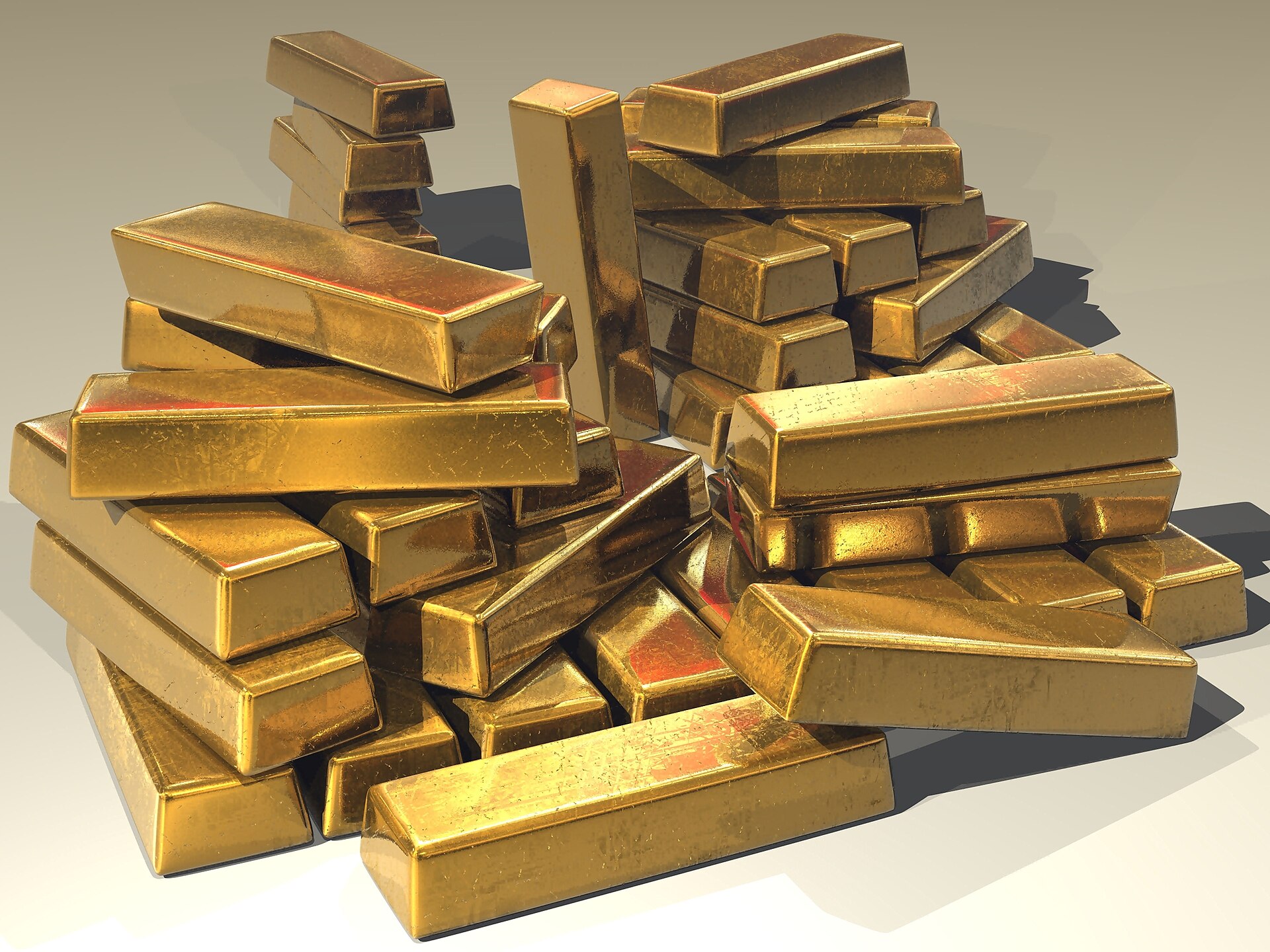
Gold has crashed below $4,000 an ounce for the first time since August, dropping more than 3.5 percent in a single session to around $3,880. Silver tumbled more than 6 percent. The trigger is a hawkish Federal Reserve: sticky inflation and surging oil prices have traders pricing a strong chance of another US rate hike in December.
Gold Crash and the Hawkish Hold From the Fed
The Federal Reserve left its benchmark rate unchanged this week at 3.75 to 4 percent, but the decision came with two dissenters voting for an immediate increase. Chair Kevin Warsh pointed to energy prices and related costs rising again, and the latest PCE inflation reading, up 0.5 percent on the month and 3.6 percent on the year, gave the hawks fresh ammunition.
Rate futures now imply roughly a three-in-four chance of a December hike. Gold is the mirror image of that bet: it pays no yield, so the higher real rates climb, the harder it is to justify holding. Families feeling the same inflation at the shops are the subject of our our report on what families are seeing at the till.
Oil Is Feeding the Fire
Crude is the other half of the story. Brent settled near $117.64 a barrel and WTI above $104 after another tanker incident in the Strait of Hormuz, putting oil on track for a fourth consecutive monthly gain. Expensive energy pushes inflation up and rate cuts further away, a combination gold bulls dread.
As the Kitco market report reports in its market roundup, the metals sell-off was intensified by a technology-led equity rout, as leveraged investors sold what they could, including profitable gold positions, to cover losses elsewhere. Liquidation, not just conviction, drove the speed of the fall.
Silver violent fall tells its own story. With one foot in precious metals and one in industry, silver suffers doubly when both the rate outlook and growth sentiment turn at once, and its smaller market makes the moves disorderly. Platinum and palladium fell too, confirming that this was a macro liquidation rather than a gold-specific verdict. Dealers reported heavy two-way volume, the signature of a market finding a new level rather than simply collapsing.
Crash or Correction?
Context matters: gold is still up more than 200 percent over ten years, and it peaked near $5,600 within the last year on some measures. Technical analysts warn of a death-cross pattern pointing towards $3,900 and below, while long-term holders argue the structural buyers, central banks, have not gone away.
What happens next depends on December. A hike would likely extend the slide; a surprise pause, or a sharp cooling in oil, could trigger an equally violent rebound in a market this stretched.
Gold was bought all year as protection against inflation and instability. This week it discovered the limit of that trade: when inflation makes central banks more aggressive rather than less, even the classic safe haven gets sold.
