

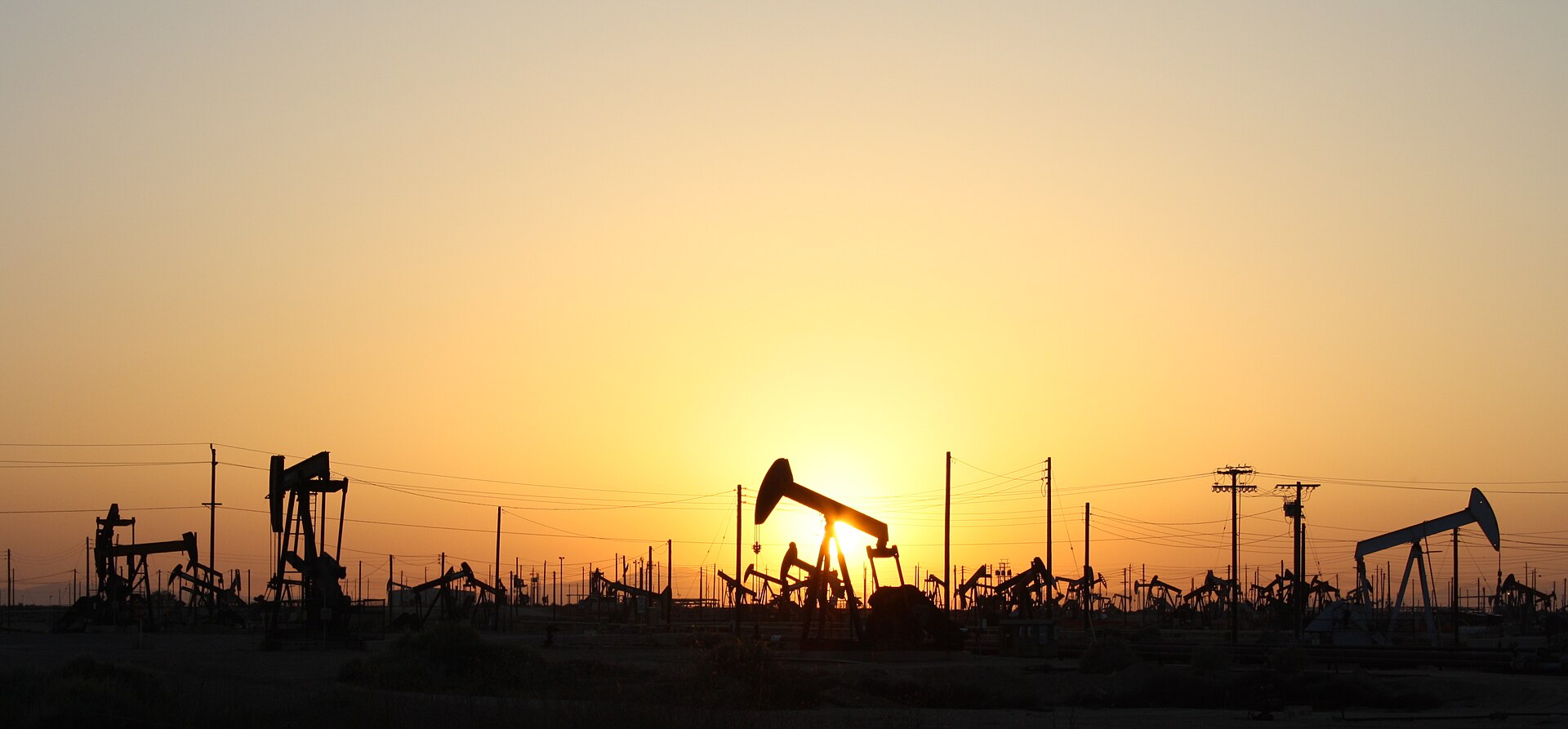
Oil prices have climbed for a fourth consecutive month, with Brent crude briefly approaching $118 a barrel and US WTI touching $105. The latest leg of the rally followed reports of tanker incidents in the Strait of Hormuz, the chokepoint that carries a fifth of the world oil supply, and it is feeding directly into inflation expectations worldwide.
Hormuz Oil and the Chokepoint Premium
Energy traders price the strait before they price anything else, because there is no substitute route for most Gulf exports. Even unverified reports of mines or attacks add dollars to the barrel, as insurers raise war-risk premiums and charterers demand compensation for transiting contested waters.
The result is a market balanced on headlines. A single confirmed disruption could remove millions of barrels a day; a credible de-escalation could just as quickly strip the risk premium back out. Our our economy section tracks how these energy costs land on ordinary households.
Inflation Is the Transmission Mechanism
Central banks care about oil because it leaks into everything: transport, food production, plastics and airfares. US inflation has already re-accelerated, with consumer prices up 3.7 percent on the year, and expensive crude is a principal reason the Federal Reserve is contemplating another rate hike rather than the cuts markets expected months ago.
As the markets report on Hormuz uncertainty reports, the same dynamic is pressuring gold and other assets, since higher oil simultaneously lifts inflation and the expected path of interest rates, a combination few portfolios are built to enjoy.
There are physical limits to how fast the market can adjust. Spare production capacity sits concentrated in a handful of Gulf states whose exports transit the same threatened waterway, pipelines bypassing the strait carry only a fraction of its volume, and strategic reserves, while substantial, are finite. That asymmetry, between a fragile supply route and rigid demand, is why a few headlines can move the world most important commodity price by several dollars in an afternoon.
Winners, Losers and the Winter Ahead
Producing nations and refiners with secure supply are the obvious winners; airlines, shipping lines and energy-importing economies in Asia and Europe are the losers. Governments face pressure to release strategic reserves or cut fuel taxes, tools that help for weeks rather than months.
The approach of winter in the northern hemisphere sharpens the stakes. Heating demand rises just as markets are most fragile, and European gas storage, while healthier than in the crisis years, cannot fully offset a prolonged Gulf disruption.
Oil near $118 is both a price and a warning. Until the security of the Hormuz route is beyond question, every barrel traded will carry a fear premium, and every central bank decision will be taken in its shadow.
