

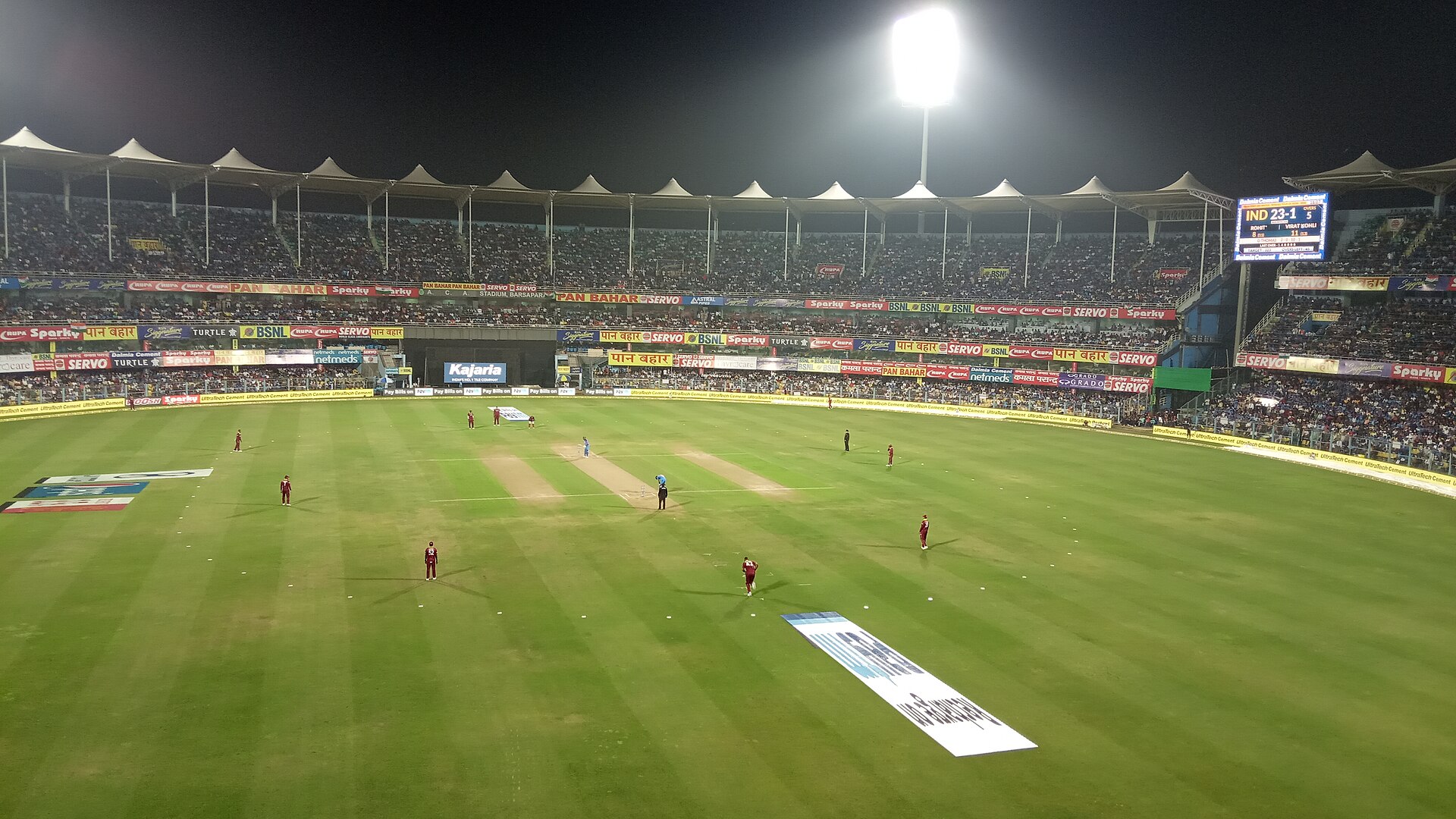
Sri Lanka have completed the second-highest successful run chase in one-day international history, reaching 430 for eight to beat England by two wickets in Rawalpindi. England had posted 429 for four and lost, a sentence that would have been unthinkable in any previous era of the fifty-over game.
A Target That Should Have Been Safe
England innings followed the modern template: relentless intent, boundaries in clusters and a total that historically ends contests before the second innings begins. Only once had a side chased more in an ODI, and England attack, defending on a true surface with evening dew approaching, still began the interval as favourites.
What followed was a chase built on refusing to let the required rate govern the mood. Sri Lanka kept wickets in hand through the middle overs, the phase where record chases usually die, and arrived at the final ten overs needing acceleration rather than miracles. The scorecard highlights feature in the sports news pages alongside the week other sports stories.
How the Sri Lanka Chase Was Built
Successful chases of this size are exercises in distributed courage: no single batter can win them, but any single collapse can lose them. Contributions came down the order, partnerships were rebuilt after each wicket, and the lower order held its nerve when the equation narrowed to a run a ball with wickets running out.
England, for their part, will revisit the death bowling and the fielding lapses that accompany tired minds in the final overs of a long day. Our our blog has more cricket coverage, including the ICC latest rankings movements.
The match also continued Rawalpindi run of remarkable one-day contests, on a ground where true bounce and short boundaries have made it a favourite of batting sides. England total would once have entered lists of the highest ever made in a losing cause only rarely; that it now arrives in an ordinary bilateral series says everything about the direction of the format scoring rates.
What It Says About the Modern ODI
Every record chase resets the definition of a safe total, and captains now defend 430 the way they once defended 330, anxiously. Batting depth, boundary sizes, two new balls and fearless role clarity have compressed the difference between setting and chasing to almost nothing on good pitches.
For tournament cricket, the lesson cuts both ways. Sides batting first must keep attacking beyond the point of comfort, while chasing sides have fresh evidence that no scoreboard pressure is unanswerable if wickets survive into the last hour.
Matches like this are why the fifty-over format refuses to die. Sri Lanka 430 for eight will sit in the record books beside the very greatest chases, and England 429 will sit beside it as the warning: in modern ODI cricket, there is no such thing as enough.
