

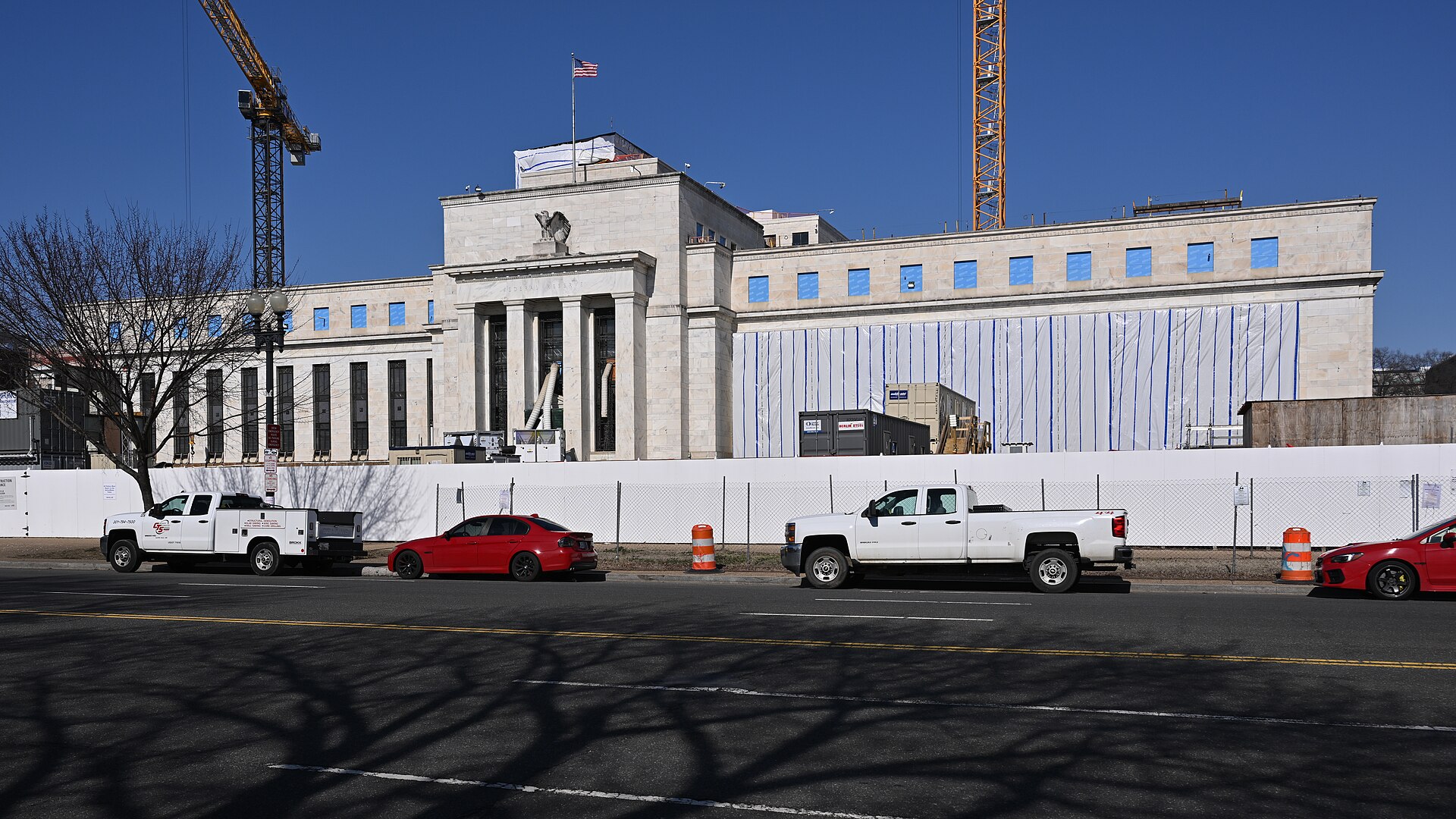
The Federal Reserve has held its benchmark interest rate steady at 3.75 to 4 percent, but the calm headline hides a divided committee: two policymakers voted for an immediate Fed rate hike. With inflation running at 3.6 to 3.7 percent and oil climbing, the December meeting is now firmly in play as a live decision.
The Fed Rate Hike Split on the Committee
Dissents in favour of tighter policy are the detail markets seized on. Officials Beth Hammack and Lisa Cook backed a hike, reflecting a camp inside the Fed that believes the fight against inflation is stalling. Chair Kevin Warsh acknowledged that energy prices and related costs had risen again in recent weeks, language traders read as hawkish.
The statement landed in a nervous market. The S&P 500 had just suffered its worst day since June on tech earnings, and Treasury yields hovered near 5 percent on the ten-year, levels that tighten financial conditions whether the Fed moves or not. Households, as our our report on rising prices at the till shows, are already feeling the price side of this story.
December Odds and the Data Path
CME FedWatch pricing puts the probability of a December hike at roughly 73 to 75 percent. September consumer prices rose 0.6 percent on the month, producer prices are climbing faster still, and the Fed preferred PCE gauge came in hot, all of which narrows the path to any near-term easing.
As the market analysis of the decision explains, gold breaking key support and a death-cross setup in the charts are among the market symptoms of investors repositioning for higher-for-longer policy. Employment costs moderated on Friday, offering the doves one counterweight before December.
Behind the dissents sits a genuine analytical dispute. One camp argues that inflation driven by energy and supply shocks should be looked through, since rate hikes cannot drill oil wells. The other answers that expectations are the real battleground: let energy-driven inflation run for a year and wage and price setting changes character. Warsh phrasing, stressing energy and related costs, suggests the second camp currently has the chair ear.
Why the Rest of the World Cares
A hiking Fed is a global event. The dollar index sits near 102, borrowing costs in emerging markets rise with US yields, and import-heavy economies feel the squeeze through their currencies. Central banks that were hoping to ease now face doing so into a strengthening dollar.
Domestically, the politics are delicate: rate decisions land days before midterm elections, with early voting already at record levels. The Fed insists politics plays no role, but the optics guarantee the December decision an audience far beyond the trading floor.
The Fed has bought itself six weeks, not a resolution. If inflation and oil stay hot, December brings the hike the dissenters wanted in October; if the data cool, the hold will look wise. Either way, the era of predictable pauses is over.
