

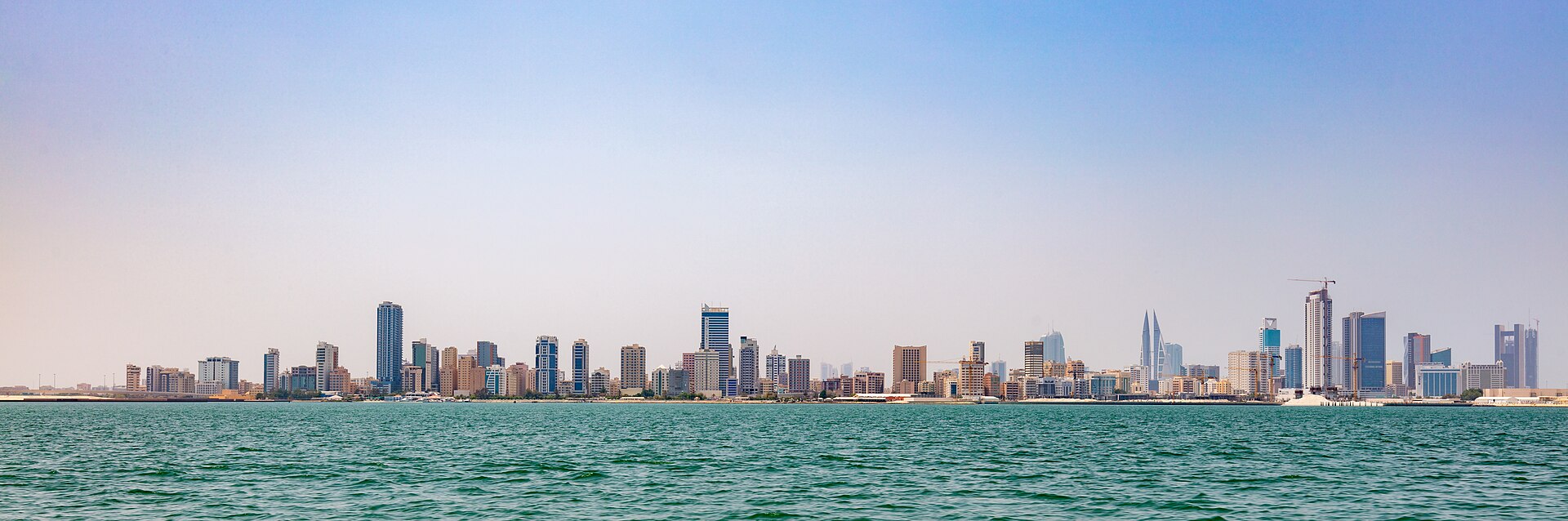
Egypt’s foreign minister has used the region’s flagship security forum to deliver a blunt message: the Gulf’s security cannot be separated from the stability of the Middle East as a whole. Speaking at the IISS Manama Dialogue in Bahrain, Badr Abdelatty warned that any threat to Gulf security reverberates worldwide, and called for the region to move from managing crises to building an order capable of preventing them.
A Forum on Gulf Security, Held Under Fire
The context gave his words unusual weight. All six Gulf states have come under repeated Iranian missile and drone attacks this year, since the war erupted in late February with US and Israeli strikes on Iran and Tehran’s retaliation against countries hosting American military assets. Yemen’s Houthi movement has meanwhile opened another front against Saudi Arabia and threatened Red Sea shipping.
Abdelatty’s argument — that this is no longer a series of separable emergencies but a single regional condition — reflects how the conflict has fused its fronts together. The interim agreement reached in June failed to produce a lasting ceasefire or restore normal shipping through the Strait of Hormuz, and fears are growing that hostilities could resume in force after the US midterm elections.
Saudi Outreach to Tehran
On the same panel, Saudi Deputy Foreign Minister Waleed Elkhereiji explained that Defence Minister Prince Khalid bin Salman’s visit to Tehran this week was intended to ease tensions, encourage dialogue and support the mediation efforts led by Qatar and Pakistan. Regional sources briefed on those talks said they made no clear headway, but the parties agreed to continue talking.
According to those sources, representatives of Saudi Arabia, Pakistan and Turkey asked Iran to press the Houthis to halt their attacks on the kingdom, while Iran pushed for a wider regional truce. Elkhereiji also described the United States as a ‘major partner’ of Saudi Arabia, noting American intelligence and targeting support for the campaign against the Houthis. The mix of deterrence and outreach on display in Manama matches the dual track visible in coverage of the forum’s exchanges, and in the region’s ongoing search for a diplomatic exit.
From Crisis Management to Architecture
Abdelatty’s central proposal — building a regional order rather than lurching between emergencies — has been voiced at Manama before, but rarely with a war providing live illustration outside the conference hall. The idea implies standing mechanisms: de-escalation channels, maritime security arrangements and agreed rules for the region’s missile and drone age.
Sceptics will note that such architecture has eluded the region for decades, and that the current war began precisely because the old understandings collapsed. But the alternative on display this year — six wealthy states absorbing attacks on their energy infrastructure while diplomacy runs behind events — is making the case for prevention more eloquently than any speech.
The Manama Dialogue exists to say the quiet parts of Gulf security out loud. This year the quiet part is simple: the states of the region are already so interconnected that their security rises or falls together. Egypt’s minister merely gave that fact a headline — the harder task, building the order he described, remains undone.
