

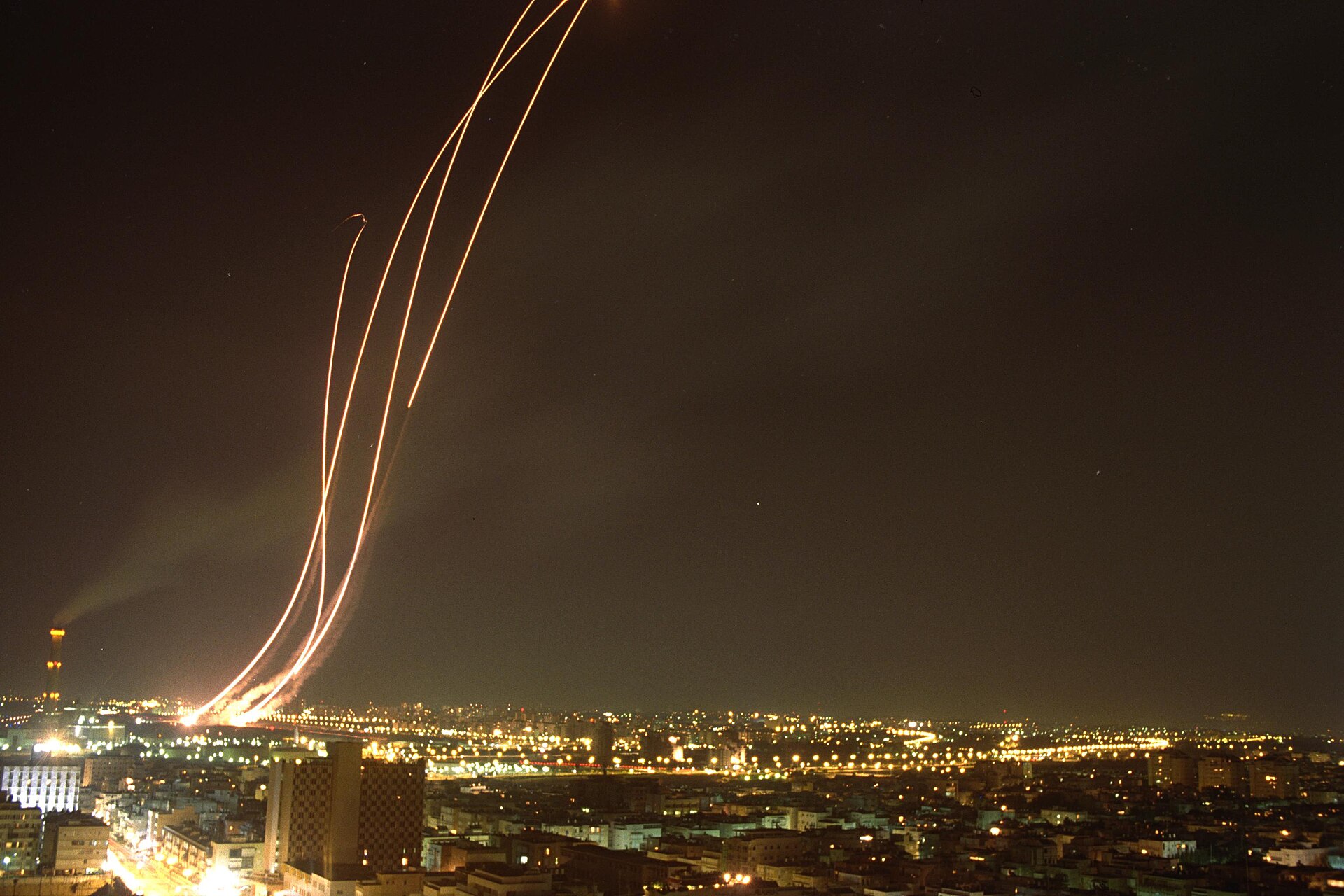
The United States has approved a possible sale of 500 Patriot PAC-3 MSE interceptor missiles to Ukraine, in a package valued at an estimated $2.1 billion. The State Department confirmed the decision on Friday, naming Lockheed Martin as the principal contractor and stressing that the weapons are intended to strengthen Ukraine air defences against Russian ballistic missile attacks. Catch up on the wider regional picture in our breaking news coverage before the details of this deal.
Allies, Not Washington, Will Foot the Bill
In an unusual funding arrangement, no American money is involved in the purchase. Ukraine will pay for the interceptors with contributions from Canada, Germany and Norway channelled through the US JUMPSTART programme, topped up with national funds backed by the European Union Ukraine Support Loan. The structure reflects how support for Kyiv has shifted since early 2025, with partner nations increasingly buying American-made systems on Ukraine behalf rather than relying on direct US aid.
The package covers far more than the missiles themselves. Alongside the 500 interceptors it includes classified and unclassified spare parts, software and logistical support, all designed to keep Ukraine existing Patriot batteries operational. The State Department said the sale would improve Ukraine integrated air and missile defence and help sustain its operations against current and future aerial threats.
Zelensky Welcomes Approval but Warns of a Long Wait
President Volodymyr Zelensky welcomed the approval but was quick to underline the problem of timing. The interceptors have not yet been built, and officials briefed on the decision say deliveries may not begin until a couple of years into the 2030s. Kyiv has argued it needs around 100 interceptors a month simply to protect cities and power infrastructure through the winter, a demand that newly manufactured missiles cannot meet.
The gap between approval and delivery is a familiar frustration in the FMS process. As a detailed breakdown of the approved package explains, an approval is a notification to Congress rather than a signed contract, and quantities and prices can still change during the congressional review period that follows.
Production Capacity Is the Real Bottleneck
Lockheed Martin currently produces roughly 500 PAC-3 missiles a year, though it plans to expand output sharply towards the end of the decade under a major US Army production contract. That ramp-up will decide how quickly Ukraine order can be filled alongside competing demands from the United States and other Patriot operators around the world.
For now, the deal is best read as a long-term commitment rather than an immediate battlefield change. It signals that allied funding for Ukrainian air defence remains intact, even if the hardware itself will arrive years after the approval headlines.
The sale still faces congressional review, and Kyiv immediate air-defence needs will have to be met from existing stocks and other systems. Even so, the approval marks one of the most significant defensive weapons steps Washington has taken for Ukraine in the current administration.
