

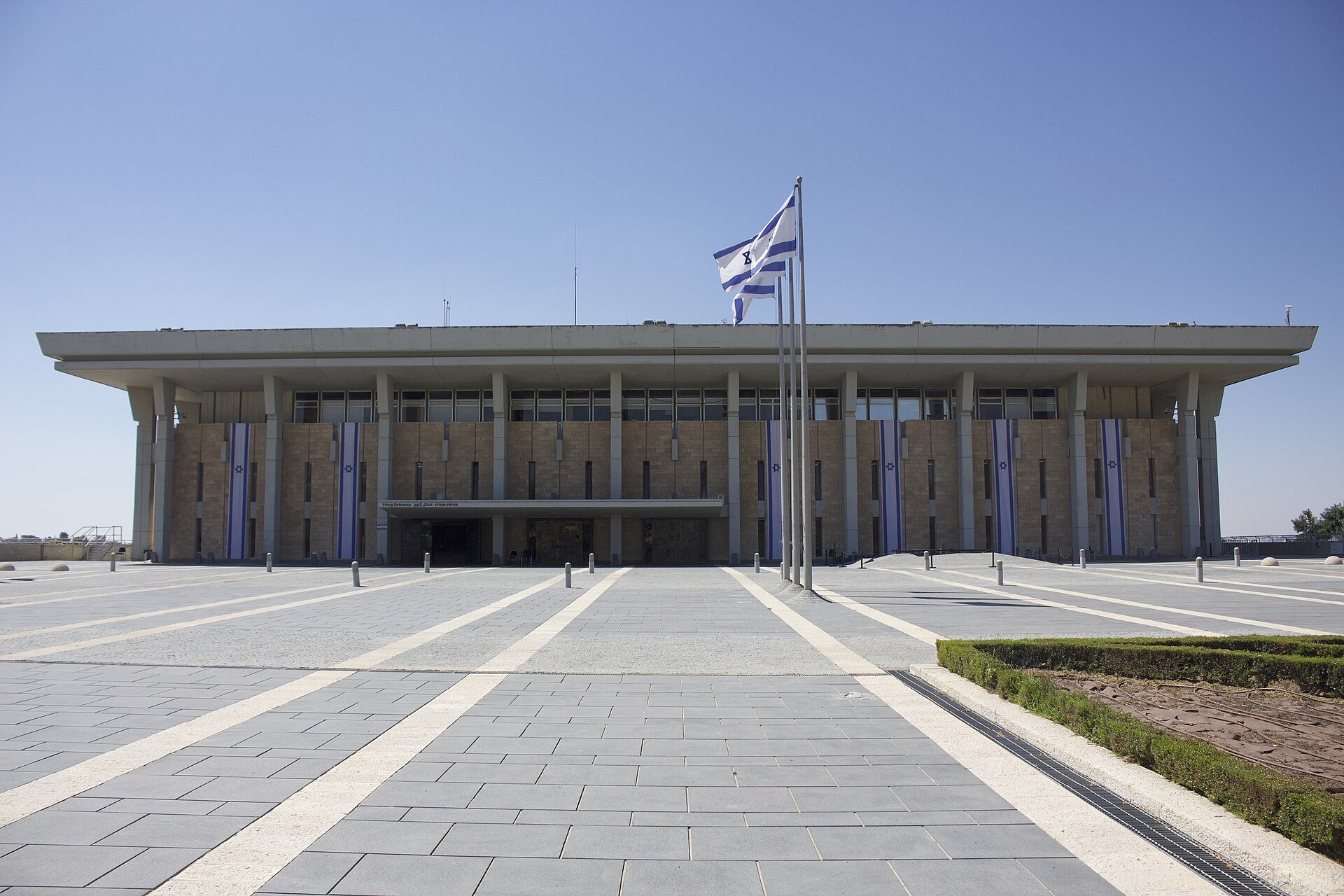
Israel latest election has ended without a clear winner, leaving Prime Minister Benjamin Netanyahu and his political bloc short of the parliamentary majority needed to form a government on their own. The result plunges the country into another round of coalition bargaining, with smaller parties suddenly holding the balance of power in the Knesset.
A Result That Settles Nothing
Elections in Israel rarely produce outright winners, but this outcome is especially awkward for the incumbent. Netanyahu bloc went into the vote expecting that wartime solidarity and a recovering security situation would translate into a workable majority. Instead, the numbers point to weeks of negotiation, and possibly to overtures towards parties that were previously considered beyond the pale as coalition partners.
For continuing coverage of the region, see our recent Middle East briefing on this site. Opposition leaders, meanwhile, were quick to claim momentum, arguing that the result shows voters want a change of direction after years of political instability and repeated trips to the ballot box.
Kingmakers and Red Lines
Attention now turns to the smaller parties whose seats will decide who governs. Each arrives with red lines on issues ranging from military conscription exemptions to the shape of any future arrangement with the Palestinians. Coalition talks in Israel are famously protracted, and the president formal consultations are only the first step in a process that can run for many weeks.
International reaction has been cautious. As today international news roundup notes in its roundup of today international headlines, allies are watching to see whether the eventual government leans towards renewed diplomacy or a harder line on regional security questions.
Turnout and late counting added to the drama. Several parties hovered near the electoral threshold deep into the count, meaning small shifts in the final tally could move multiple seats between blocs. Party headquarters that had prepared victory speeches quietly shelved them, and by morning the conversation in every newsroom had moved from who won to who might govern with whom, a very Israeli form of election night anticlimax.
What Happens Next
Under Israel system, the president assigns a candidate the task of forming a government, usually the leader judged most likely to assemble 61 seats. If that effort fails, the mandate can pass to a rival or return to the Knesset, where any member can try to build a majority. Only if all of that fails would Israel face yet another election.
For ordinary voters, the immediate effect is uncertainty. Budgets, reconstruction plans and pending legislation all slow down while politicians bargain, and markets dislike the open-ended timetable that coalition politics tends to produce.
Whatever government eventually emerges, it will inherit the same divided electorate that produced this result. The coming weeks of negotiation will matter as much as the vote itself in deciding Israel direction for the next few years.
