

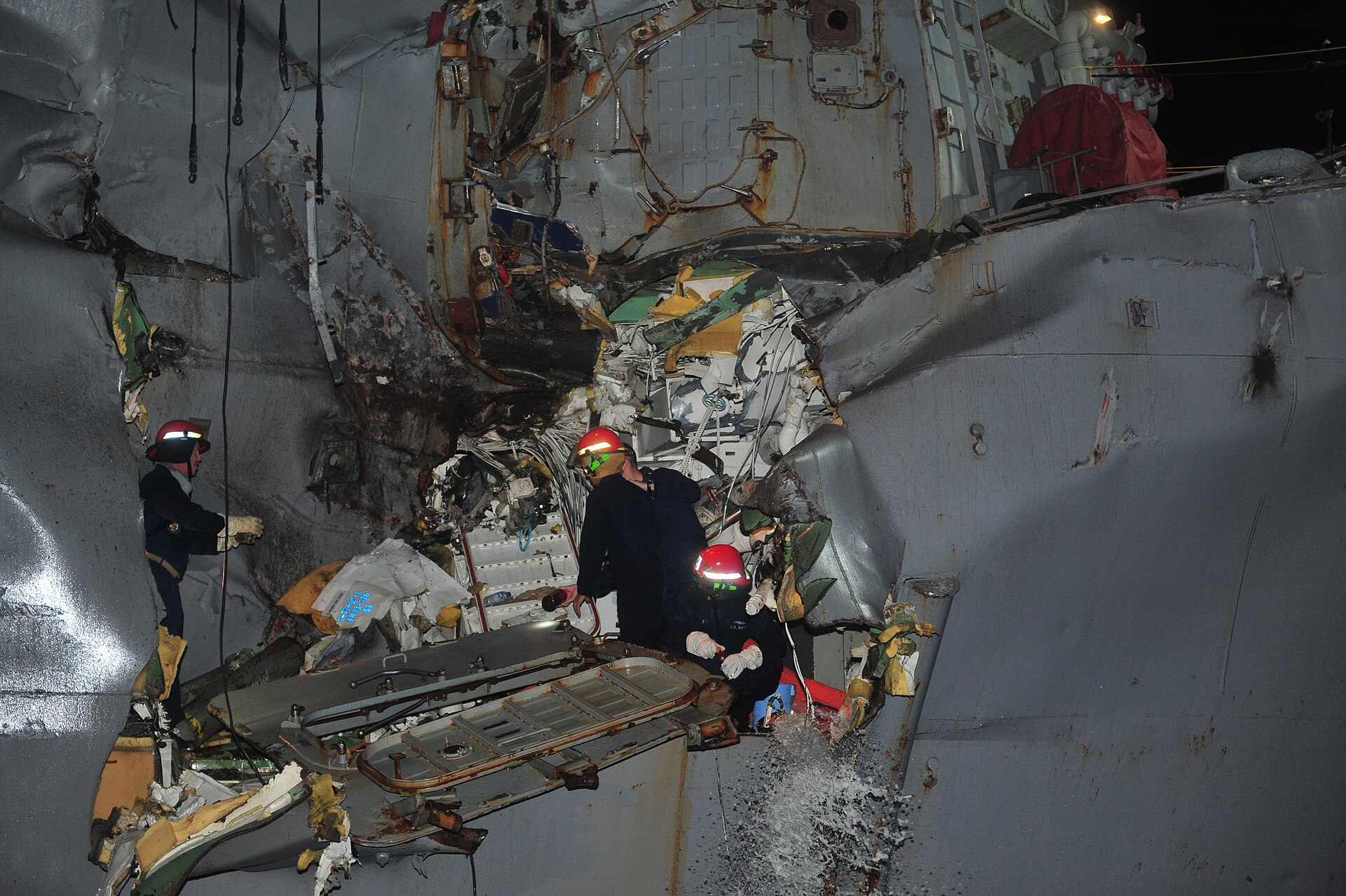
Iran Revolutionary Guard says four tankers have caught fire after striking mines in the Strait of Hormuz, the narrow waterway through which a large share of the world energy supplies pass. The claim, reported by Al Jazeera, has not yet been independently confirmed, but even the possibility of mined shipping lanes has been enough to rattle energy markets and shipping companies alike.
A Claim That Demands Verification
Tehran account arrived without the kind of imagery or third-party confirmation that usually accompanies incidents in the strait. Shipping trackers and maritime security firms have so far offered only partial corroboration, and other governments in the region have been slow to comment. Analysts caution that early claims in fast-moving Gulf incidents often need revision as better information emerges.
What is not in doubt is the sensitivity of the location. The strait is the world most important oil chokepoint, and any hint that mines have been laid there triggers an immediate response from insurers, tanker operators and navies. Our Middle East briefing sets out how earlier rounds of tension in the waterway unfolded.
Markets React Before Facts Arrive
Oil prices climbed on the reports, extending a run that has already pushed Brent crude towards $118 a barrel. Traders have learned to price in Gulf risk quickly: a sustained disruption in Hormuz would remove millions of barrels a day from global supply and force costly rerouting of liquefied natural gas cargoes as well.
Shipping firms face a harder calculation. War-risk insurance premiums for transiting the strait tend to jump within hours of such reports, and some operators pause journeys altogether until naval authorities clarify the situation. As today daily news brief summarises in its daily brief, the incident lands on top of existing anxiety about energy prices feeding global inflation.
The Wider Diplomatic Picture
The reports come amid continuing indirect contacts between Washington and Tehran, with mediators shuttling between the two sides. Hardliners in both capitals will use the incident to argue against concessions, while diplomats will quietly try to establish whether the mines, if they exist, represent policy or a local escalation.
Regional states that depend on the strait for their own exports have the most to lose from a prolonged crisis, and they can be expected to press for de-escalation behind the scenes whatever is said in public.
Until independent confirmation emerges, the tanker fires remain an Iranian claim rather than an established fact. But the reaction in markets and shipping shows how little it takes to shake confidence in the world most vital energy artery.
