

She was 91 years old, in her own neighbourhood, when a raccoon attacked her. The injuries themselves were survivable — bites and scratches that needed cleaning, stitches and a tetanus check. The shock came with the treatment that followed: a course of rabies vaccinations and immunoglobulin that she discovered was not covered, leaving her facing bills in the hundreds of dollars for medicine that doctors told her she could not safely refuse.
Her experience is more common than most people realise, and it exposes a gap in how healthcare systems handle one of the deadliest viruses known. Rabies is almost invariably fatal once symptoms appear. It is also almost completely preventable if treatment — post-exposure prophylaxis — is given promptly. The gap is not medical. It is financial and administrative.
Why Rabies Treatment Cannot Wait
Rabies travels from a bite wound along the nerves toward the brain, a journey that can take weeks or months. During that window, a course of vaccine — typically four doses over two weeks for people not previously vaccinated, plus rabies immunoglobulin injected around the wound at the start — can stop the virus before it reaches the central nervous system. The Centers for Disease Control and Prevention advises that anyone bitten, scratched or otherwise exposed by a wild animal that cannot be tested should be evaluated for treatment the same day.
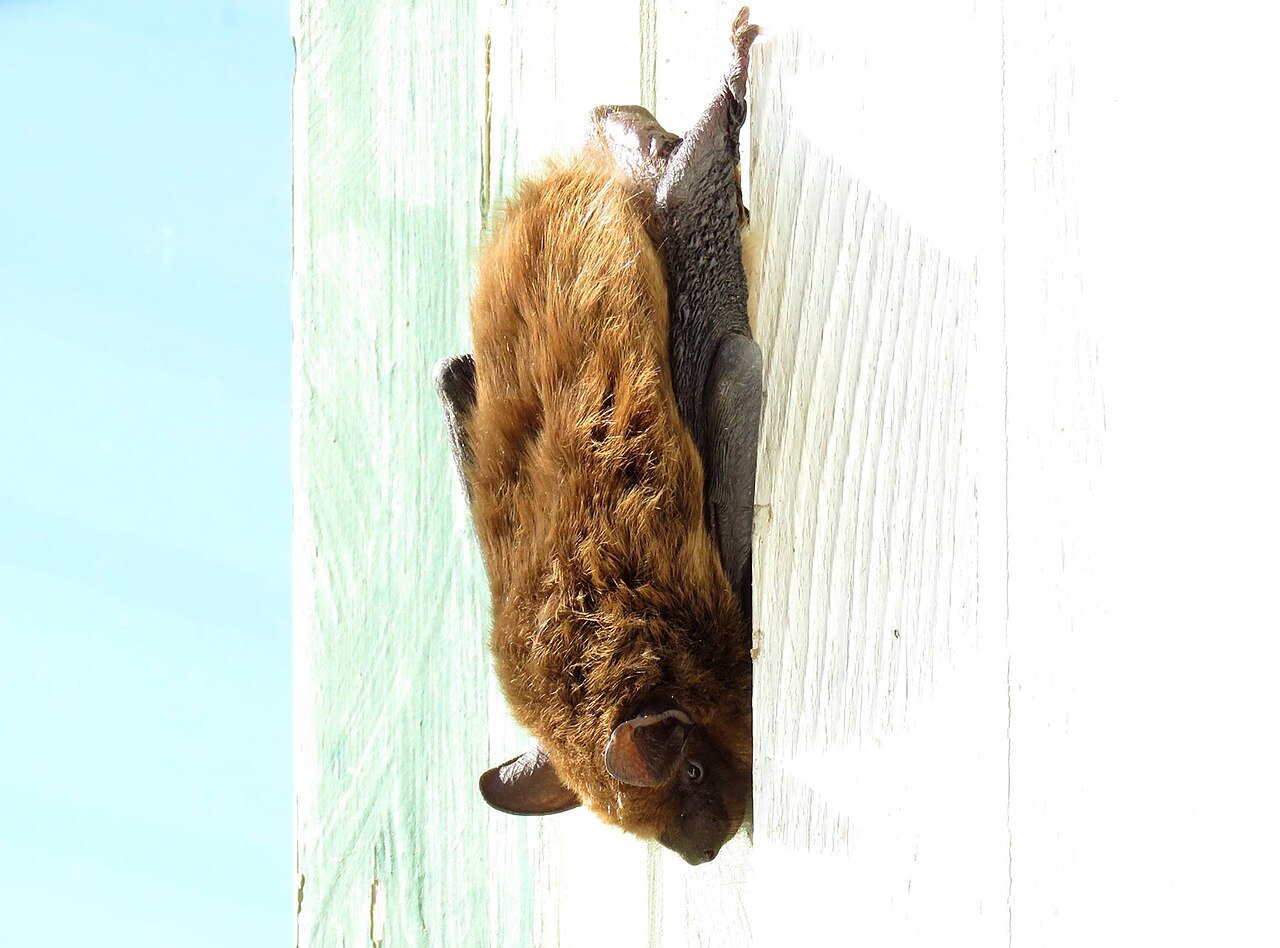
Raccoons, bats, skunks and foxes are the main wildlife reservoirs in North America, and bat exposure is considered especially risky because bites can be tiny and go unnoticed. The World Health Organization estimates that rabies kills tens of thousands of people worldwide each year, overwhelmingly where treatment is unavailable or unaffordable — a global pattern that makes coverage disputes in wealthy health systems harder to defend.
Where the Coverage Gap Comes From
In systems built around insurance billing, rabies treatment falls awkwardly between categories. The vaccine may be billed as a pharmacy benefit or a medical benefit depending on where it is administered; immunoglobulin, a scarce blood-derived product, is expensive and stocked by hospitals unevenly, so patients are often sent to emergency departments where facility fees multiply the total. Older patients can find that their plan covers the drug but not the setting, or the setting but not the drug — distinctions that make no sense at the moment of treatment but large differences on the bill.
Patients also collide with a timing problem. Coverage appeals take weeks; rabies prophylaxis cannot. Clinicians advising our readers through our community reporting describe the same pattern repeatedly: treat first, because the alternative is unthinkable, then fight the paperwork afterwards with the help of hospital billing advocates and, where they exist, state health-department programmes that supply vaccine for the uninsured.
What To Do If It Happens to You
The practical steps are clear. Wash any animal bite immediately and thoroughly with soap and water — this alone significantly reduces risk — and seek medical care the same day. Do not wait to see whether the animal can be found; health departments and animal control can sometimes test the animal and spare you the full course, but that decision belongs to clinicians, not to hope. Keep every document: the treating facility, the lot numbers of vaccine doses, and the names of insurers spoken to, because completing all scheduled doses on time matters and records smooth the way.
If cost is a barrier, say so at the hospital rather than afterwards. Many facilities have assistance programmes, some manufacturers operate patient-support schemes for immunoglobulin, and public-health departments frequently intervene in rabies cases because completing treatment is a community interest, not only a private one. A bill in the hundreds — or, in some reported cases, the thousands — should never be the reason a 91-year-old, or anyone, gambles against a virus with no cure.
The Wider Lesson
The raccoon that attacked a 91-year-old did nothing unusual; raccoons habituated to neighbourhoods lose their fear of people, and encounters rise as suburbs press into habitat. The unusual part of the story is downstream — a healthcare system in which the price of a universally recommended, life-saving treatment is discovered after the fact. Until coverage for post-exposure prophylaxis is as automatic as the medical advice to receive it, stories like hers will keep repeating, one startled patient at a time. More community news is on our homepage.
