

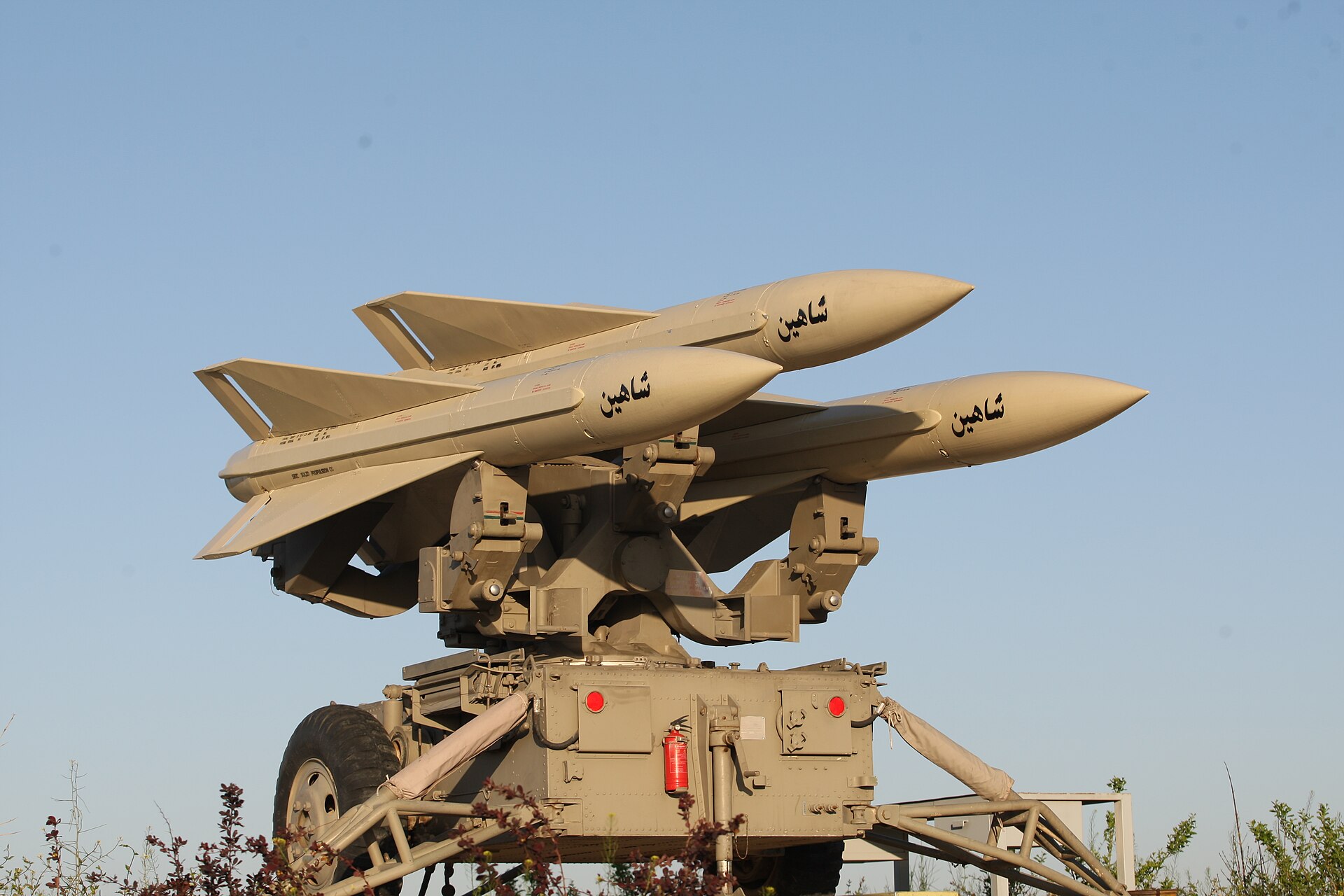
Eight months of Iranian missile and drone attacks have given the Gulf’s defenders an unwanted education. Bahrain, Qatar, Kuwait and the United Arab Emirates — all hosts to American military facilities — have seen strikes reach energy infrastructure and the neighbourhoods of major bases, exposing vulnerabilities that peacetime planning had priced as theoretical. The question now occupying Gulf and American planners is what, exactly, the attacks revealed.
The Scale of the Missile and Drone Attacks
A June 2026 report by the US Congressional Research Service recorded that Iran had launched thousands of missiles and drones towards Gulf Cooperation Council countries since the conflict began on 28 February. A Reuters investigation published in October documented repeated strikes against Gulf infrastructure, finding that important energy and other facilities had been hit across the region.
The geography of the risk is concentrated in a handful of famous coordinates: Al Dhafra Air Base in the UAE, Al Udeid Air Base in Qatar — the largest American air base in the Middle East — and the US Navy’s Fifth Fleet headquarters in Bahrain. These installations anchor the American presence in the Gulf, and they sit, unavoidably, inside the societies they protect.
What the Attacks Revealed
Air defences have intercepted the overwhelming majority of incoming projectiles, a performance that prevented catastrophe. But saturation tactics — large salvos of cheap drones mixed with ballistic missiles — are designed to leak, and some did. Refineries, export terminals and LNG equipment are soft, sprawling targets compared with hardened military sites, and the campaign showed how much economic damage a small number of leakers can do.
As analysis of the attacks’ implications notes, the deeper exposure may be conceptual: the Gulf’s security model assumed American protection would deter attacks altogether. Instead, hosting American forces made Gulf states targets, and deterrence had to be rebuilt mid-war at enormous cost — a dilemma now central to the debates described in regional diplomacy aimed at preventing a wider war.
The Responses Taking Shape
The practical answers are arriving in layers: more and better-distributed air defence, hardened and dispersed energy infrastructure, faster repair capacity, and intensified diplomacy to end the attacks at source. Gulf states are also reassessing the balance between their American partnerships and their own regional outreach, including direct channels to Tehran.
None of this resolves quickly. Rebuilding damaged LNG trains takes years; rewriting security doctrines takes longer. What the campaign of 2026 has settled is the question of whether the Gulf’s infrastructure was a plausible target set. It was, it is, and every capital in the region is planning accordingly.
Wars teach their lessons whether or not anyone wants the tuition. The lesson of this one, written across refineries and bases from Fujairah to Ras Laffan, is that prosperity built beside a hostile frontier needs defending in depth — militarily, economically and diplomatically, all at once, all the time.
