

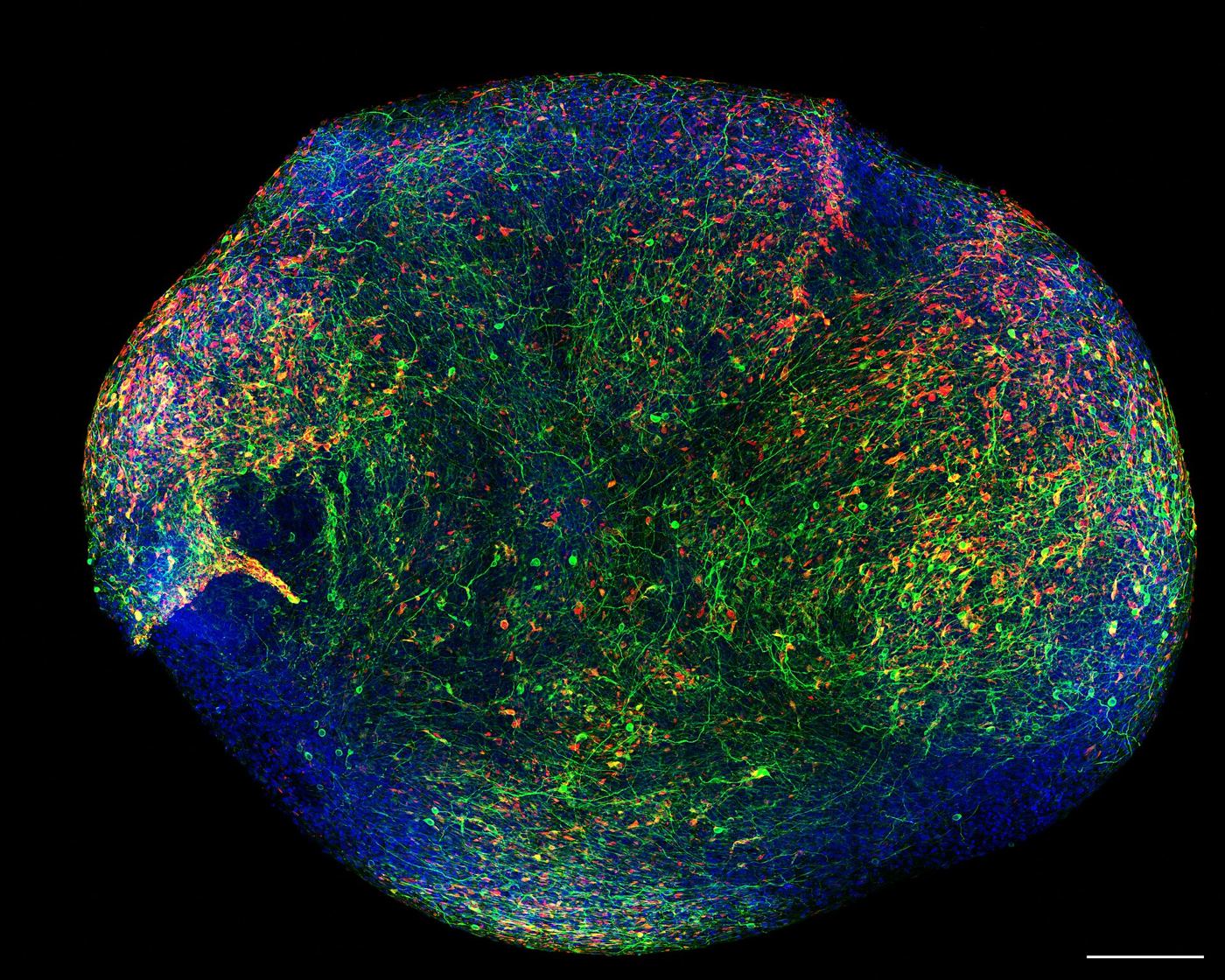
The United States Food and Drug Administration approved Infilbray, known generically as venglustat, on 18 November 2026, the first drug to treat the neurological symptoms of Type 3 Gaucher disease. The approval covers adults and children weighing at least 15 kilograms, about 33 pounds, with the rare inherited disorder. Infilbray works as a glucosylceramide synthase inhibitor, reducing the build-up of harmful substances throughout the body and, critically, within the brain, because it crosses the blood-brain barrier. The approval was granted to Genzyme Corporation, a Sanofi company, under Orphan Drug designation and Priority Review, a week ahead of the agency’s 25 November target date.
What the Evidence Shows
The decision rests on a randomised, double-blind, multicentre study of 43 patients aged 12 and older who had previously been treated with enzyme replacement therapy and had reached stable control of their systemic disease. The trial, known as LEAP2MONO, compared the new tablet with continued enzyme replacement over 52 weeks. Type 3 Gaucher disease is a rare lysosomal storage disorder in which fatty substances accumulate in organs and the brain, causing progressive neurological decline. Until now there was no approved treatment for the brain symptoms. The most common side effects were stomach problems and effects on mood, and the label warns of serious psychiatric risks including suicidal thoughts. Reporting and analysis from sources such as World Health Organization track the same developments, and specialists following the approval of Infilbray for Gaucher disease say the direction is now consistent across independent lines of evidence.
The Wider Context
The wider context is a health system trying to move from treating illness late to preventing it early, against budgets that reward the opposite. Evidence around the approval of Infilbray for Gaucher disease is being weighed by guideline committees that ask two questions in order: does it work, and can ordinary services actually deliver it at scale. Many good ideas pass the first test and stall on the second.
What Happens Next
What happens next for the approval of Infilbray for Gaucher disease depends on the slow machinery of guidelines, funding and training catching up with the evidence. Patients asking about it today should expect honest answers that include uncertainty, and clinicians say a service that explains what is not yet known earns more trust than one that oversells. The research pipeline, at least, is moving in the right direction. You can follow related developments in our coverage of health.
There is a practical lesson in all of this for readers deciding what to do today. Start with the verified facts, be wary of anyone promising certainty, and prefer reversible steps while the evidence is still developing. Circumstances differ by country, income and personal situation, so general guidance should always be weighed against your own context before you act on it in any significant or lasting way.
