

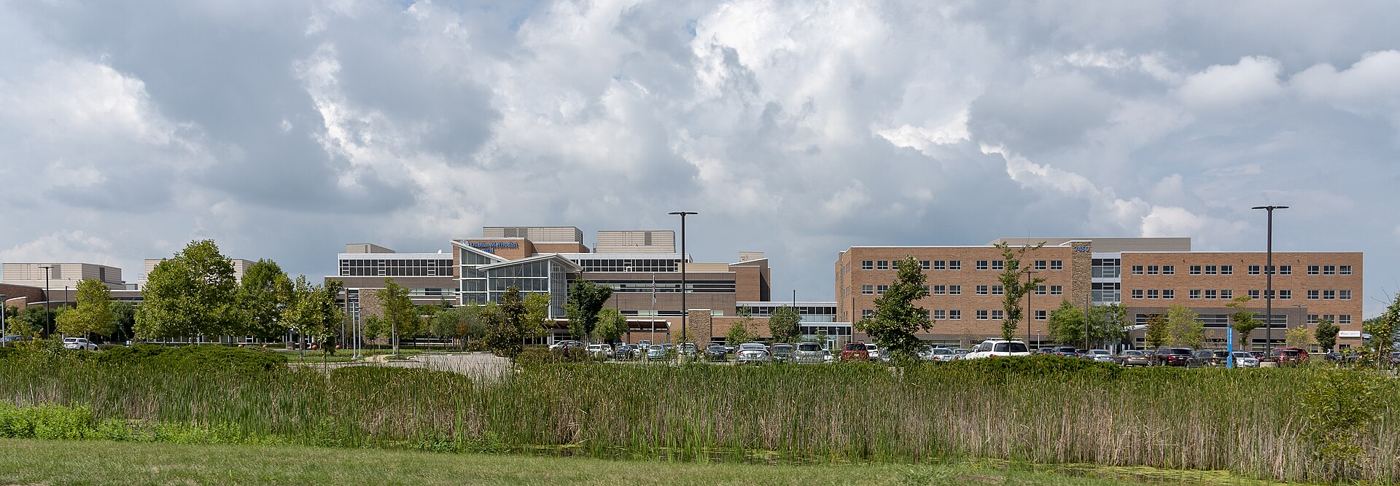
The NHS waiting list in England has risen for a third month in a row, reaching 7.38 million treatments for about 6.24 million patients. Figures published by NHS England on 12 November 2026 show the list grew from 7.37 million at the end of August to 7.38 million at the end of September, its highest level since October 2025. The share of patients starting treatment within 18 weeks of referral rose to 65.8 percent, still far short of the 92 percent standard the government has promised to reach by March 2029. The number waiting more than a year rose to 116,353, and the median wait was 12.2 weeks. Trauma and orthopaedics has the largest list of any specialty at 830,089 pathways, with only 61.4 percent seen within 18 weeks. In accident and emergency, 74.0 percent of patients were seen within four hours in October, and an average of 3,558 patients a day received care in corridors, the highest since that data began in May.
What the Evidence Shows
Cancer waiting times also deteriorated in September. Only 76.2 percent of patients urgently referred for suspected cancer were diagnosed or had cancer ruled out within 28 days, below the 80 percent target, and 70.7 percent began their first treatment within 62 days, against a target of 85 percent. Health Secretary Yvette Cooper said more people are being treated within 18 weeks than a year ago, when the figure was 61.8 percent, and the list is about 240,000 below the 7.62 million recorded in July 2024. But the list has grown since falling to 7.11 million in March 2026, and the government is now halfway through its plan to hit 92 percent within 18 weeks. Critics say progress has stalled and urgent action is needed to get the plan back on track before winter pressure peaks. Reporting and analysis from sources such as World Health Organization track the same developments, and specialists following the NHS waiting list in England say the direction is now consistent across independent lines of evidence.
The Wider Context
The wider context is a health system trying to move from treating illness late to preventing it early, against budgets that reward the opposite. Evidence around the NHS waiting list in England is being weighed by guideline committees that ask two questions in order: does it work, and can ordinary services actually deliver it at scale. Many good ideas pass the first test and stall on the second.
What Happens Next
What happens next for the NHS waiting list in England depends on the slow machinery of guidelines, funding and training catching up with the evidence. Patients asking about it today should expect honest answers that include uncertainty, and clinicians say a service that explains what is not yet known earns more trust than one that oversells. The research pipeline, at least, is moving in the right direction. You can follow related developments in our coverage of health.
There is a practical lesson in all of this for readers deciding what to do today. Start with the verified facts, be wary of anyone promising certainty, and prefer reversible steps while the evidence is still developing. Circumstances differ by country, income and personal situation, so general guidance should always be weighed against your own context before you act on it in any significant or lasting way.
