

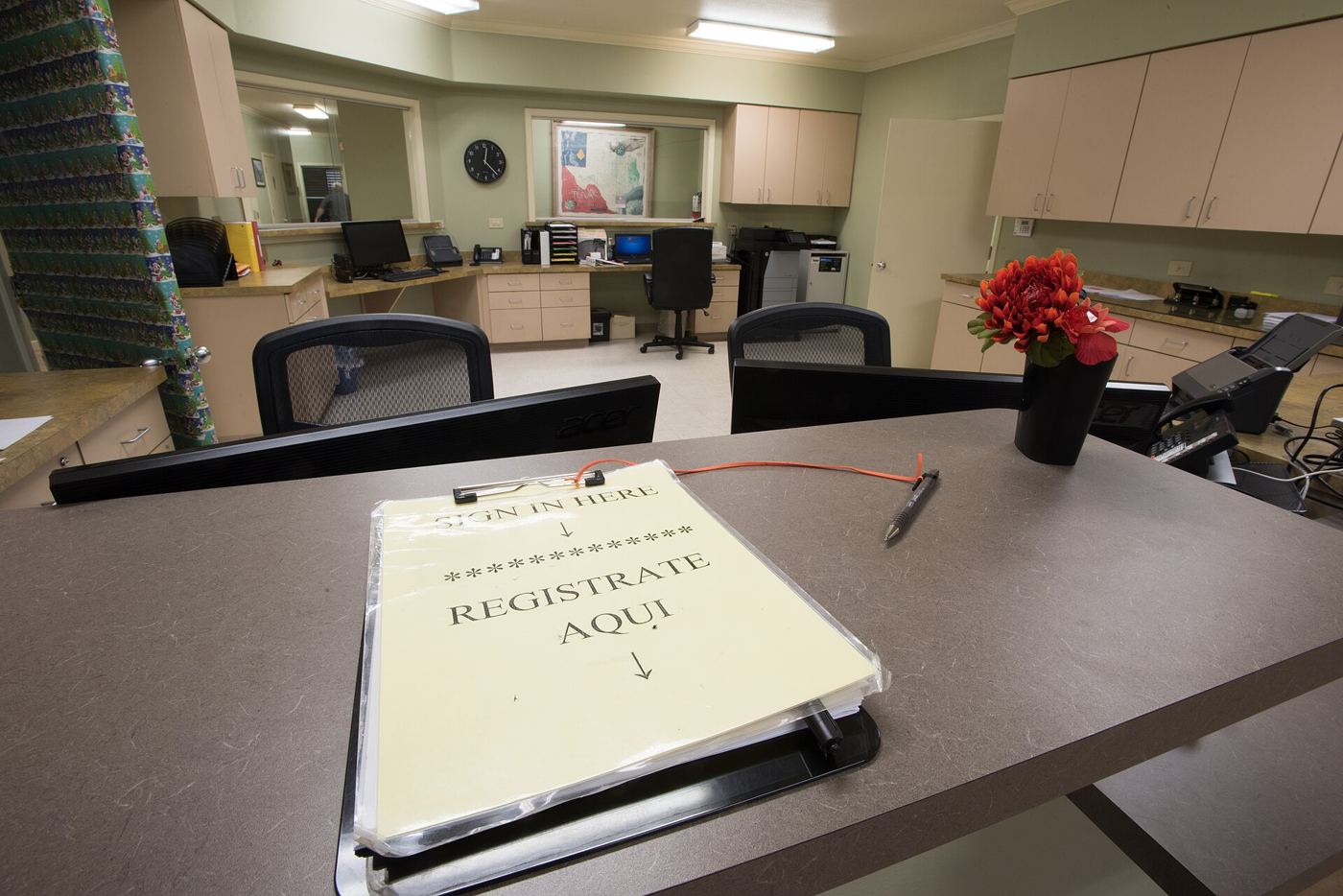
More clinics are offering evening appointments so that adults with daytime jobs, caring duties or long commutes can still attend routine care without losing pay or rearranging their whole week. Extended hours are being used for a mix of services, from long-term condition reviews and vaccinations to advice on stopping smoking and general health checks. Staff say later slots are often taken by people who had been putting off an appointment for months, and that catching problems earlier usually makes them simpler to treat. Evening clinics also spread demand more evenly, easing the morning rush for phone lines and waiting rooms that frustrates patients and reception teams alike. Transport matters as well, and clinics in some areas coordinate evening sessions with local bus timetables, so patients and staff can actually reach the building and get home safely afterwards. For working patients, that flexibility can make a genuine difference overall.
What the Evidence Shows
Making evening services work takes planning behind the scenes. Rotas are arranged so the same staff are not repeatedly working late, and support services such as laboratories and pharmacies need hours that match. Clinics are also reminding patients to use the slots thoughtfully, since a missed evening appointment is harder to refill at short notice. Booking by phone, app or in person keeps the system open to people who are less confident online. Patients who have used the later appointments say the calmer atmosphere is an added benefit, giving them time to ask questions they might have rushed during a crowded daytime session. Patient feedback after the first months is being used to adjust the mix of appointments on offer, adding more of the services people use most and reducing slots that regularly go unfilled. That responsiveness helps the service grow around real patient needs over time. Reporting and analysis from sources such as World Health Organization track the same developments, and specialists following evening clinic appointments say the direction is now consistent across independent lines of evidence.
The Wider Context
The wider context is a health system trying to move from treating illness late to preventing it early, against budgets that reward the opposite. Evidence around evening clinic appointments is being weighed by guideline committees that ask two questions in order: does it work, and can ordinary services actually deliver it at scale. Many good ideas pass the first test and stall on the second.
What Happens Next
What happens next for evening clinic appointments depends on the slow machinery of guidelines, funding and training catching up with the evidence. Patients asking about it today should expect honest answers that include uncertainty, and clinicians say a service that explains what is not yet known earns more trust than one that oversells. The research pipeline, at least, is moving in the right direction. You can follow related developments in our coverage of health.
There is a practical lesson in all of this for readers deciding what to do today. Start with the verified facts, be wary of anyone promising certainty, and prefer reversible steps while the evidence is still developing. Circumstances differ by country, income and personal situation, so general guidance should always be weighed against your own context before you act on it in any significant or lasting way.
