

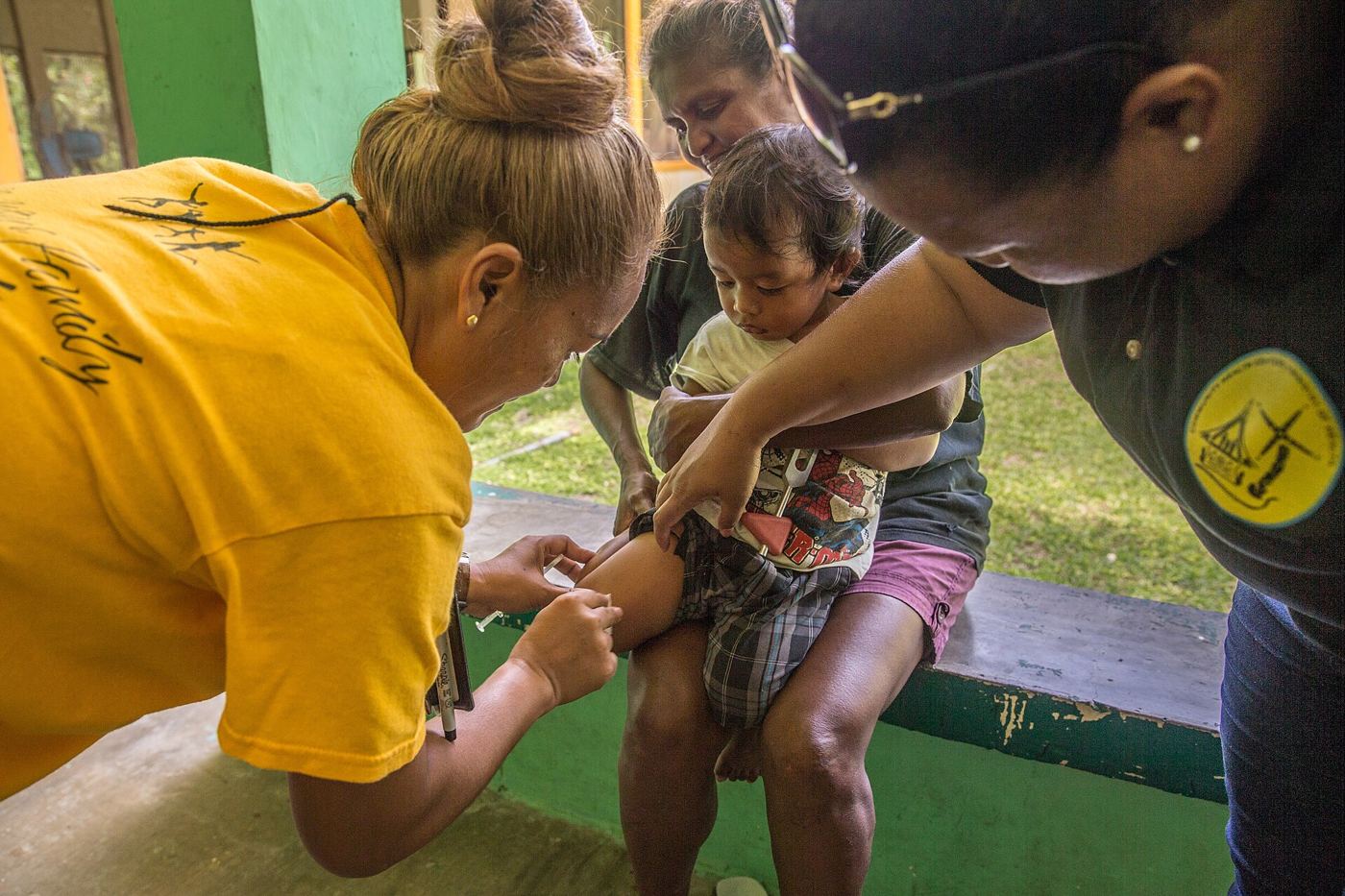
The United States has lost its measles elimination status after the Centers for Disease Control and Prevention reported 5,838 confirmed cases as of 19 November 2026, the highest annual total since 1991. The weekly increase of 426 cases was the largest in decades, and the total is about 2.6 times the 2,289 cases reported in all of 2025. On 17 November the Pan American Health Organization said endemic measles transmission had been re-established in the United States, Bolivia and Mexico, withdrawing the elimination status the US had held since 2000. Pennsylvania is the hardest-hit state, with 1,631 cases and eight deaths reported by the state. Cases have now climbed above 5,000 for the first time since 1991, when 9,643 cases were recorded.
What the Evidence Shows
Almost all of the burden falls on the unvaccinated: 96% of confirmed cases are linked to outbreaks, 43 new outbreaks have been reported in 2026, and 96% of cases were in people who were unvaccinated or whose status was unknown. The CDC reports 591 hospitalisations, or 11% of cases, and confirms six measles-associated deaths, while states report 12 deaths in total, including two in Wisconsin and one each in New York and Virginia. The CDC says two doses of the measles, mumps and rubella vaccine are 97% effective, and one dose is 93% effective. Adults aged 20 and older now account for 41% of cases, up from 29% in 2025. Reporting and analysis from sources such as World Health Organization track the same developments, and specialists following US measles outbreak 2026 say the direction is now consistent across independent lines of evidence.
The Wider Context
The wider context is a health system trying to move from treating illness late to preventing it early, against budgets that reward the opposite. Evidence around US measles outbreak 2026 is being weighed by guideline committees that ask two questions in order: does it work, and can ordinary services actually deliver it at scale. Many good ideas pass the first test and stall on the second.
What Happens Next
What happens next for US measles outbreak 2026 depends on the slow machinery of guidelines, funding and training catching up with the evidence. Patients asking about it today should expect honest answers that include uncertainty, and clinicians say a service that explains what is not yet known earns more trust than one that oversells. The research pipeline, at least, is moving in the right direction. You can follow related developments in our coverage of health.
There is a practical lesson in all of this for readers deciding what to do today. Start with the verified facts, be wary of anyone promising certainty, and prefer reversible steps while the evidence is still developing. Circumstances differ by country, income and personal situation, so general guidance should always be weighed against your own context before you act on it in any significant or lasting way.
