

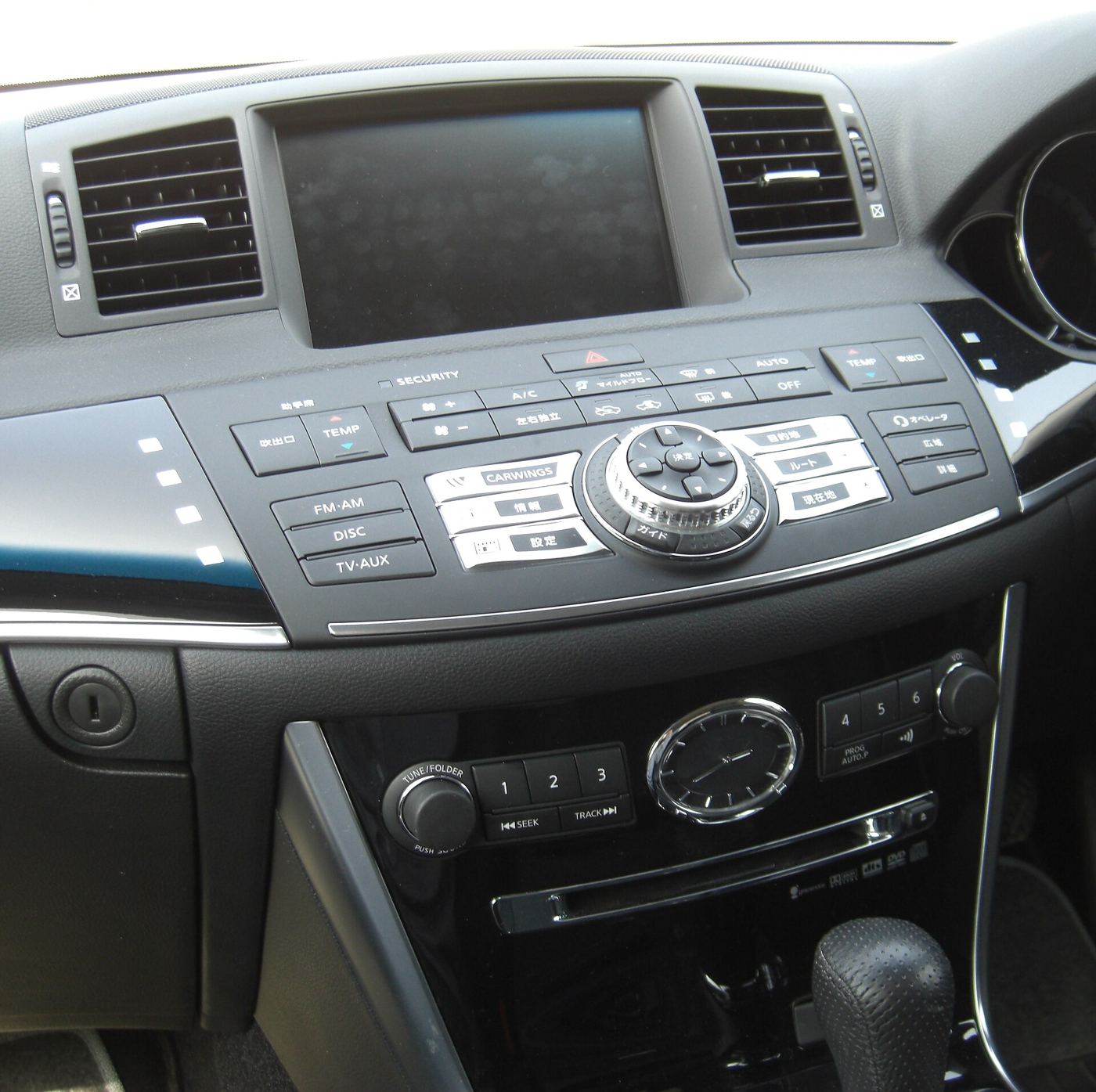
Google’s Gemini assistant is coming to the car. On 11 November 2026 Google launched Gemini for Apple CarPlay, giving iPhone owners a dedicated AI assistant on their car’s dashboard display. Drivers can hold hands-free conversations with Gemini Live, asking it to summarise emails, review calendar appointments, prepare for meetings and recommend nearby destinations. The rollout is available globally across the languages Gemini Live supports, though users must update their iPhone apps and enable microphone permissions. Google had already put Gemini into Google Maps on CarPlay, but this is the first time the assistant itself appears on the dashboard. The move puts Google’s technology in front of millions of drivers who use an iPhone in the car. Apple is increasingly opening its automotive platform to competing AI providers, and OpenAI’s ChatGPT and Anthropic’s Claude are also available through CarPlay.
What the Evidence Shows
The launch shows how the contest between AI assistants is moving beyond phones and into every screen people use. Apple is allowing rival assistants into CarPlay even as it rebuilds Siri on Google’s own Gemini models, a sign that the car has become neutral ground in the AI race. For Google, the car is valuable territory: drivers spend hours behind the wheel, and a voice assistant that can handle email, calendars and navigation without the driver touching a phone is genuinely useful. Safety remains the question. Voice assistants are meant to keep eyes on the road, but a chatty assistant can also distract, and regulators in several countries are watching how much drivers interact with dashboard screens. The companies say hands-free conversation is safer than typing, and the next test is whether drivers agree. Reporting and analysis from sources such as IEEE Spectrum track the same developments, and specialists following Gemini on CarPlay say the direction is now consistent across independent lines of evidence.
The Wider Context
Adoption of Gemini on CarPlay follows a familiar pattern with an unfamiliar speed. Early users tolerate rough edges in exchange for advantage, mainstream users arrive when the tool disappears into existing workflows, and the market consolidates around whoever made that transition feel effortless. Vendors are racing less on raw performance now than on integration, support and trust.
What Happens Next
The realistic forecast for Gemini on CarPlay is steady integration rather than sudden replacement: embedded in products people already use, improving in increments, and regulated in proportion to its reach. The companies and institutions that plan on that basis, training staff and redesigning processes instead of chasing launches, are the ones the adoption data tends to vindicate. You can follow related developments in our coverage of technology.
It is also worth remembering how quickly the picture in this area has changed before. Positions that looked settled a few years ago have been revised as new data arrived, and the same humility is appropriate now. The strongest coverage of this subject, and the most useful advice, tends to come from sources that update their views openly when the facts move, rather than defending an earlier position long after it has stopped fitting the evidence available.
