

Ask Australians how they want to holiday in 2026 and one phrase keeps surfacing: slow travel. In Wotif’s Unpack ’26 travel report, half of Australians say they plan to swap over-planned holidays for peaceful escapes, and 80 per cent want a gentler pace and fewer crowds. Few trips answer that brief as completely as a cruise along Western Australia’s Kimberley coast, where there are no queues, often no phone signal, and the day is set by the tide rather than a timetable.
Slow Travel at the Speed of Water
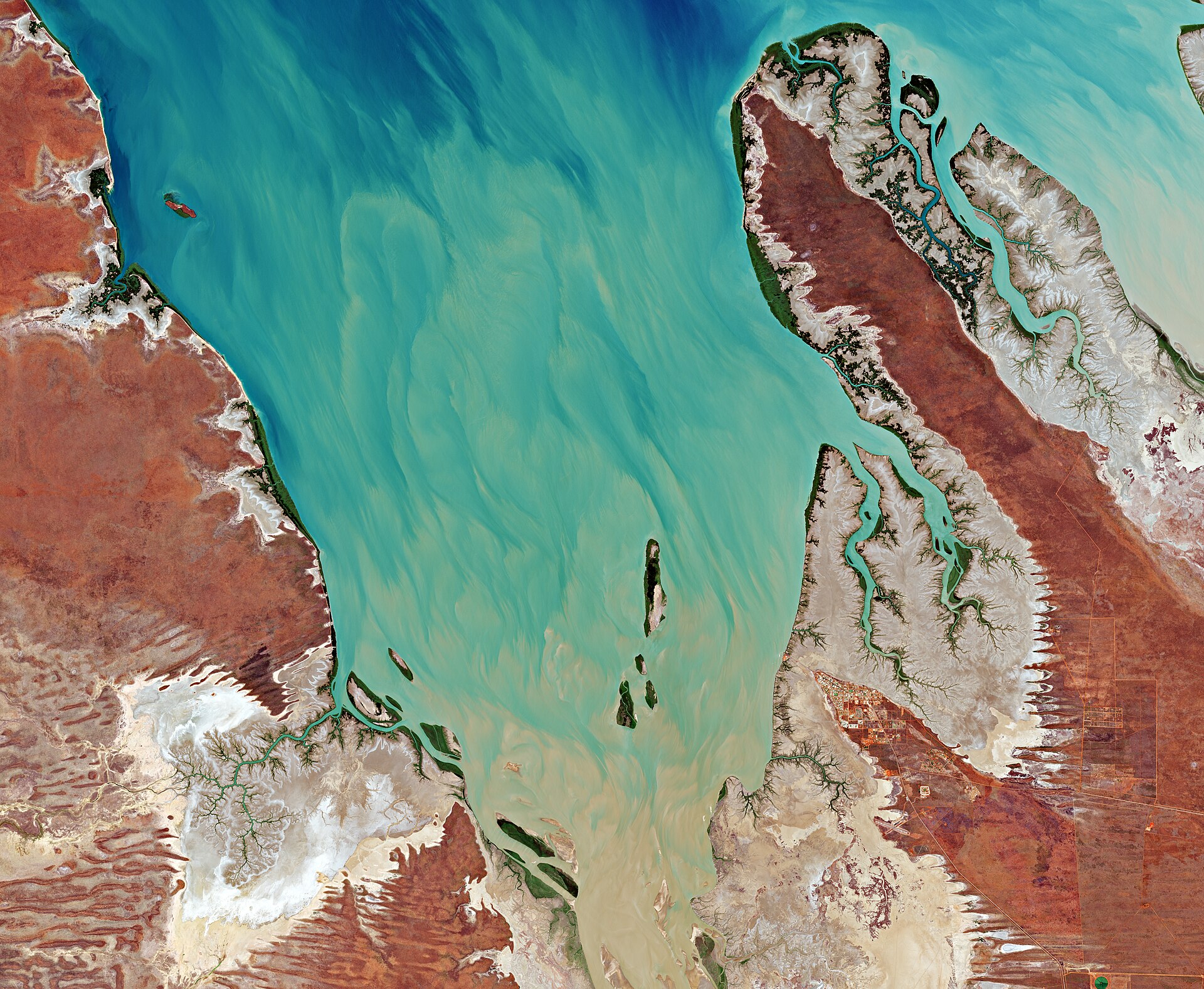
Slow travel is about depth over distance — fewer places, more time in each — and the Kimberley builds it in by force of nature. Tides near Derby can reach close to twelve metres, among the largest on earth. The sea decides when a river can be entered, when a reef will emerge and when a bay turns to mudflat, and the itinerary politely follows. For travellers exhausted by optimisation, surrendering the schedule is not a compromise; it is the product.
The region also delivers the digital detox without requiring discipline. Much of the coast has no signal to resist, so the phone stays in the cabin because it is useless, not because its owner is virtuous. Days fill instead with waterfall swims where the crew judges it safe, tender rides into mangrove creeks and evenings under some of the darkest skies on the planet.
Culture Led by Its Owners
Travellers increasingly want cultural experiences led by the people whose Country they are visiting, and the Kimberley is moving that way. In April 2026 the Western Australian Government committed $5 million to support Traditional Owner-led tourism at Garaan-ngaddim, the Horizontal Falls, where the Dambimangari Aboriginal Corporation is developing new cultural experiences; licensed operators can continue traversing the falls’ wide gap through the 2028 season, with access reassessed after that.
That shift — from being told about a place to being hosted in it — rhymes with what is happening in beloved green spaces everywhere, where volunteers and communities are taking a direct hand in caring for the places they love. The common thread is participation over spectatorship, which trend reports keep identifying as the defining appetite of the post-pandemic traveller.
Adventure, Gently
The final piece of the slow-travel puzzle is activity without extremity. As the analysis of how the Kimberley fits current travel trends puts it, today’s adventurous travellers mostly want to feel capable rather than conquered: a walk to a gorge pool, a morning’s fishing, then a good meal and a proper bed. The Kimberley’s cruising window is set by the dry season, and its scale — vast, empty, indifferent — does the rest.
None of this is cheap, and slow travel is not a budget strategy. It is a reallocation: money once spread across ten attractions in five cities is concentrated on one place, properly inhabited. Judging by the booking patterns behind the trend reports, a growing share of travellers considers that the better bargain.
Holiday fashions usually announce themselves loudly. Slow travel has arrived quietly, which suits it. On the Kimberley coast, where the tide makes the decisions and the phone gives up, the industry’s newest trend looks a great deal like the oldest way of travelling there is: paying attention.
