

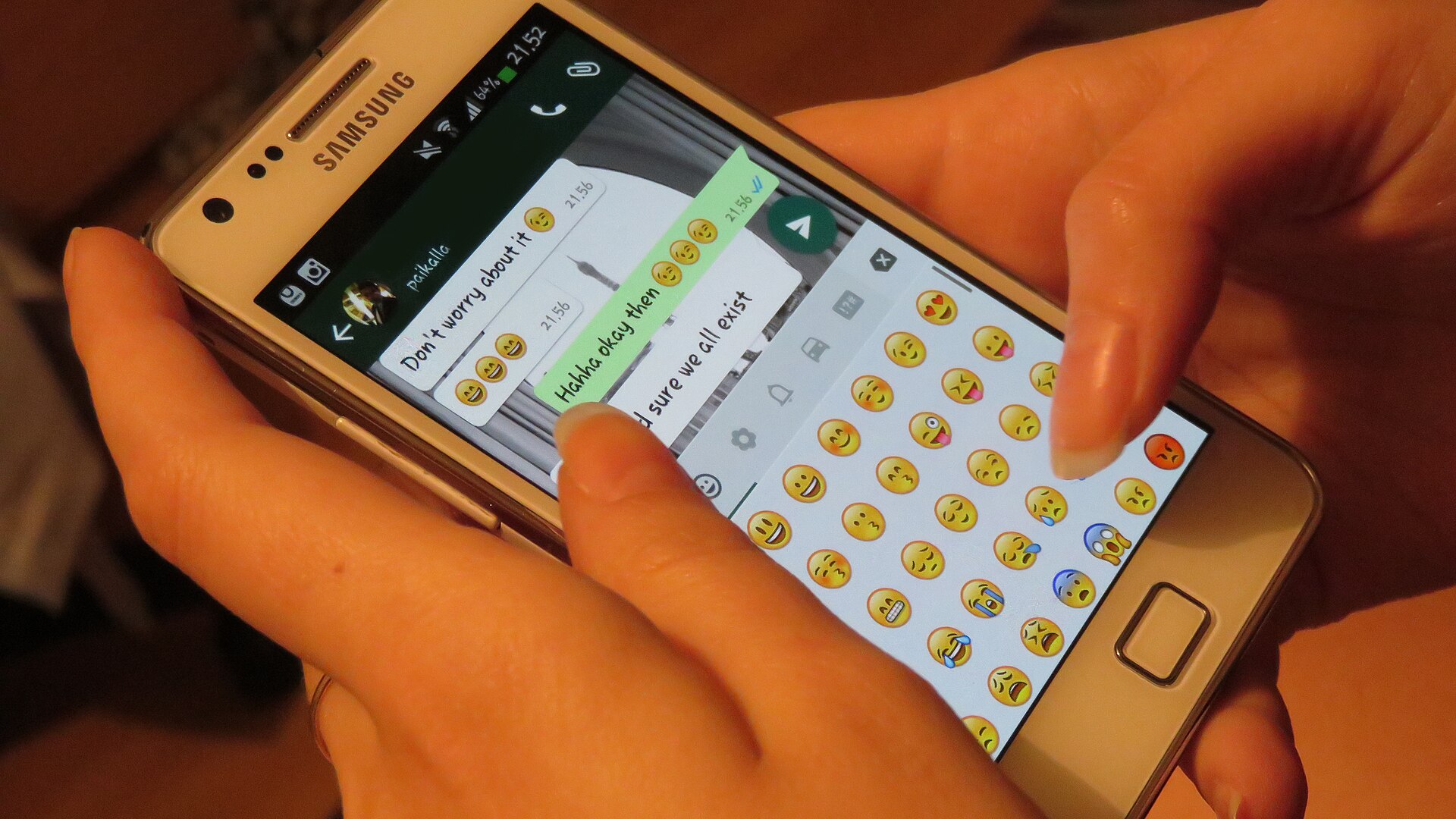
It is one of the most requested features in messaging, and it may finally be arriving. WhatsApp is testing scheduled messages on iPhone, with the tool surfacing in the app’s iOS beta (version 26.42.10.19) distributed through Apple’s TestFlight programme. Access for now is limited to select beta users — but the feature’s appearance in testing is usually the last stop before a wider release.
How Scheduled Messages Would Work
The concept needs little explanation: write a message now, choose when it sends, and let the app deliver it automatically. It is the difference between remembering a birthday at midnight and having remembered it at midnight on your behalf. Business users, shift workers messaging across time zones, and anyone who drafts thoughts at 2 a.m. they would rather land at 9 a.m. are the obvious audiences.
WhatsApp has historically been conservative about such additions, preferring to keep its interface close to a plain conversation. Scheduling has been a staple of rival apps and of email for years, and its absence from the world’s largest messenger has been increasingly conspicuous — a gap tracked closely in the latest smartphone app coverage, which also notes WhatsApp testing a mentions-and-replies filter on Android to tame busy group chats.
Part of a Wider Tidying-Up
The beta signals suggest WhatsApp is working through a list of power-user refinements: finding replies in sprawling groups, managing notifications from favourite contacts, and now composing ahead of time. Each is small. Together they describe an app whose problem is no longer reach — billions already use it — but manageability.
That shift mirrors what heavy users do with every maturing platform. Just as teachers adopted AI first for paperwork, people embrace the features that remove friction from routine tasks long before the glamorous ones. Scheduling is pure friction-removal, which is why it has been requested for so long.
When Might It Arrive?
Beta features follow no fixed timetable: some ship within weeks, others are refined for months or quietly withdrawn. The presence of scheduling in a public TestFlight build, rather than a hidden internal one, suggests development is advanced. iPhone users outside the beta should expect the usual pattern — a quiet appearance in an update, discovered first by the people who go looking.
If it lands as expected, one of messaging’s oldest small embarrassments ends: no more alarms set to remind yourself to send a message you have already written. The thought can simply be sent when it was meant to be read.
Scheduled messages will not transform WhatsApp, and that is rather the point. The feature’s long absence was the anomaly; its arrival, whenever the rollout completes, restores an obvious capability to the app where the world’s conversations already live.
