

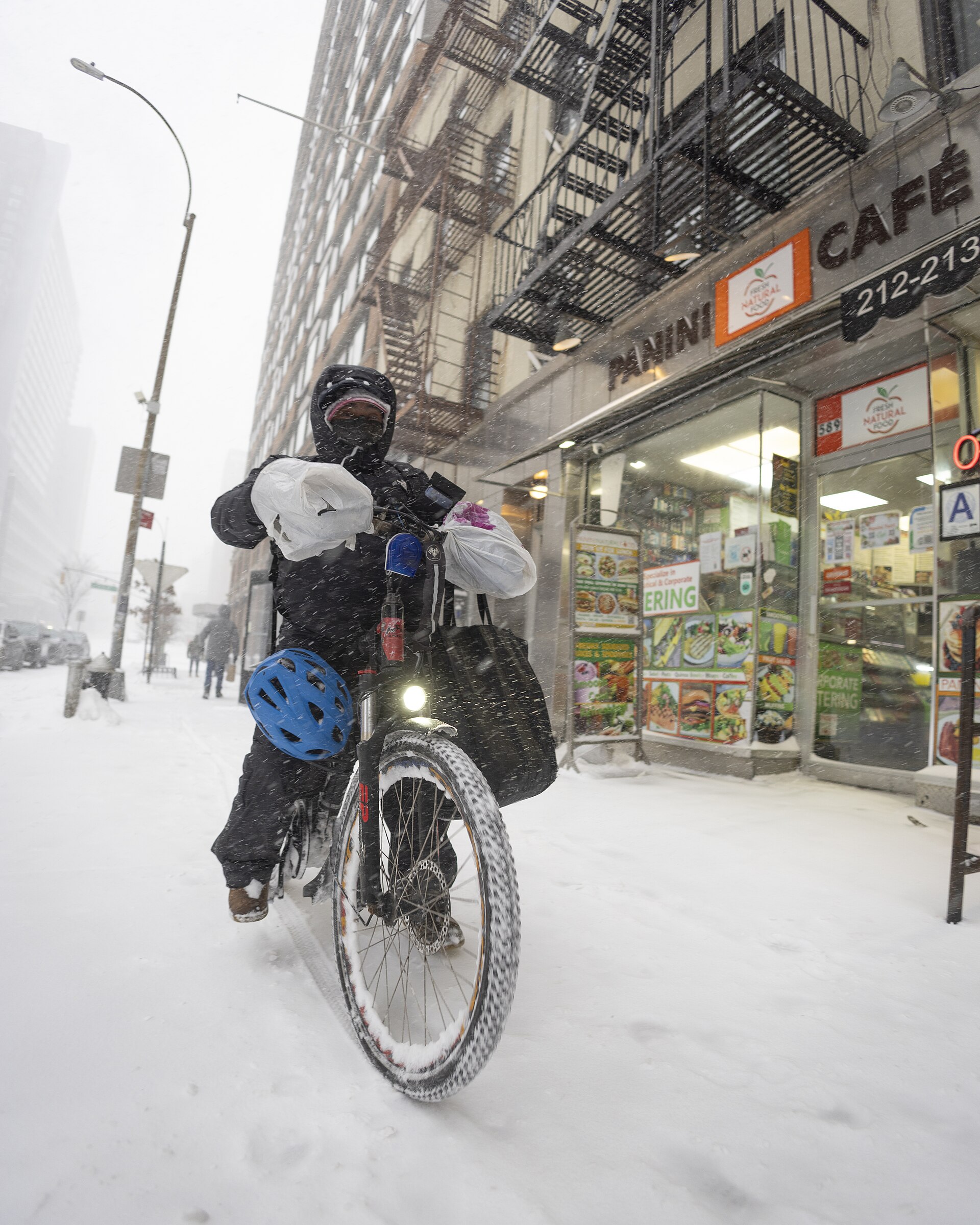
DoorDash has agreed to acquire Instacart for $17 billion, in a deal that would reshape the economics of app-based delivery in North America. Combining the largest restaurant delivery platform with the leading grocery delivery service creates a group spanning meals, supermarkets and retail, and it is one of the biggest consumer technology transactions of the year.
Why the DoorDash Instacart Deal, Why Now
The logic is about density and frequency. Restaurant delivery peaks at lunch and dinner; grocery orders fill the gaps in between and tend to be larger. A combined platform can keep couriers busier, spread technology costs across more orders and offer advertisers a richer picture of household spending.
There is a defensive logic too. Both companies face pressure from retailers building their own delivery networks and from rivals bundling delivery into wider membership schemes. Scale is the simplest answer, as our our look at the high street revival has noted in coverage of Britain changing high street and delivery economy.
Regulators Will Want a Say
A deal of this size will attract antitrust attention on both sides of the Atlantic. Critics will ask what happens to restaurant commissions, grocery prices and courier pay when the two biggest intermediaries in American delivery become one company.
As the daily brief coverage noted in its daily brief, the announcement lands in a political climate where platform consolidation is under scrutiny from multiple directions at once, and the companies will need a credible story about consumer benefits, not just synergies.
The price itself invites scrutiny. At $17 billion, the deal values Instacart well below its pandemic-era private peak, a reminder of how completely the market mood on delivery has changed since 2021. DoorDash investors are being asked to believe that grocery, long considered the low-margin grind of the sector, becomes attractive at sufficient scale, especially when grocery baskets generate advertising revenue and subscription stickiness that restaurant orders alone cannot match.
What It Means for Shoppers and Stores
For shoppers, the pitch will be a single app and a single membership covering restaurants and groceries. For independent restaurants and grocers, the fear is greater dependence on a gatekeeper that controls both the customer relationship and the ranking algorithms that decide who gets orders.
The integration challenge should not be underestimated either. Instacart model, built around in-store pickers, differs from DoorDash courier marketplace, and merging the two without degrading either service is a substantial operational task.
If it clears regulators, the deal will define the next phase of the delivery wars. If it does not, both companies will have spent a year distracted while rivals kept building. Either way, the era of delivery apps competing as standalone specialists looks to be ending.
