

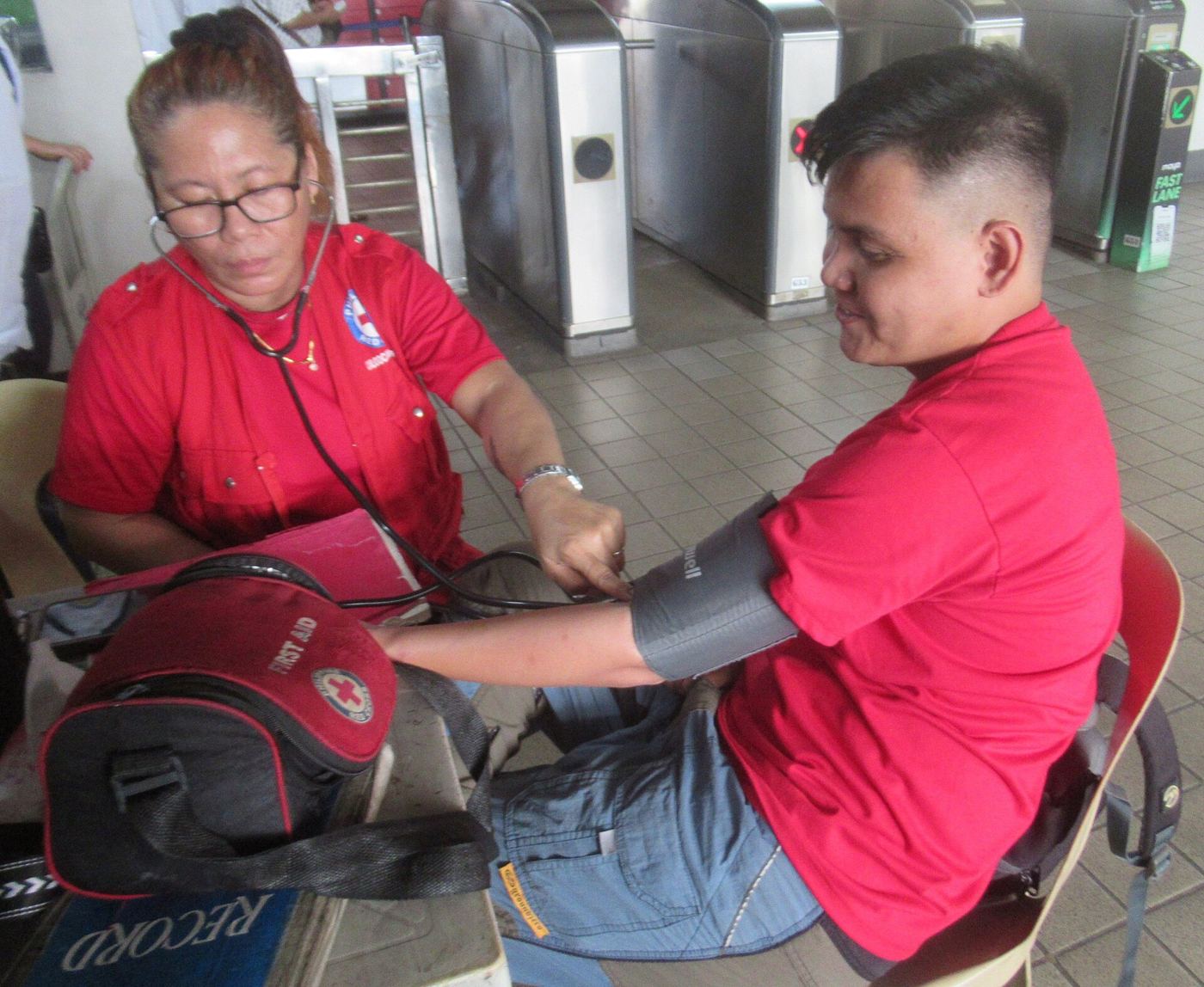
Doctors are changing how they treat high blood pressure after updated guidance from leading heart organisations set clearer targets and encouraged earlier treatment. The 2025 guideline from the American Heart Association and the American College of Cardiology, the first major revision since 2017, keeps the definition of hypertension at 130 over 80, but places greater emphasis on accurate measurement, overall cardiovascular risk, and achieving lower readings where it is safe to do so. For most adults the goal is now below 130 over 80, with encouragement to reach a systolic reading below 120 in higher-risk patients. The update also supports starting treatment earlier and using combination tablets sooner, rather than adding one drug at a time over many months. The guideline also highlights the value of measuring blood pressure correctly, with the right cuff size, a rested patient, and repeat readings rather than a single hurried check. The aim is earlier, steadier control.
What the Evidence Shows
High blood pressure is one of the most common and most treatable risk factors for heart attack, stroke and kidney disease, yet many people do not know they have it because it rarely causes symptoms. The new guidance stresses that a single clinic reading is not enough, and that home or ambulatory monitoring can give a truer picture. Lifestyle change remains the foundation of care, with less salt, regular activity, a healthy weight and limited alcohol all helping to bring readings down. Medication is then added when risk is high or lifestyle alone is not enough. Patients should ask their doctor what their personal target is, how their blood pressure is being measured, and what steps, including diet and exercise, will help them reach it safely. Doctors say the update should prompt more conversations about salt, weight and activity, since lifestyle changes can lower readings and reduce the need for higher doses. Reporting and analysis from sources such as World Health Organization track the same developments, and specialists following blood pressure guidance say the direction is now consistent across independent lines of evidence.
The Wider Context
The wider context is a health system trying to move from treating illness late to preventing it early, against budgets that reward the opposite. Evidence around blood pressure guidance is being weighed by guideline committees that ask two questions in order: does it work, and can ordinary services actually deliver it at scale. Many good ideas pass the first test and stall on the second.
What Happens Next
What happens next for blood pressure guidance depends on the slow machinery of guidelines, funding and training catching up with the evidence. Patients asking about it today should expect honest answers that include uncertainty, and clinicians say a service that explains what is not yet known earns more trust than one that oversells. The research pipeline, at least, is moving in the right direction. You can follow related developments in our coverage of health.
There is a practical lesson in all of this for readers deciding what to do today. Start with the verified facts, be wary of anyone promising certainty, and prefer reversible steps while the evidence is still developing. Circumstances differ by country, income and personal situation, so general guidance should always be weighed against your own context before you act on it in any significant or lasting way.
